The Conjuring 2: Why This Sequel Still Freaks People Out Years Later
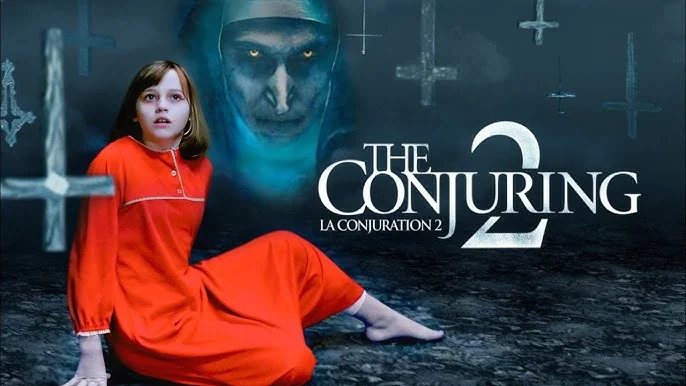
There’s a specific kind of horror movie that doesn’t rely on jump scares alone but instead builds dread so slowly you don’t notice your shoulders creeping up toward your ears until the scene is already over. The Conjuring 2 is one of those movies. Even people who claim they don’t scare easily tend to bring up the nun or the Crooked Man when this film comes up in conversation, and that alone tells you something about how effectively it lodged itself into pop culture.
If you’re here because you just watched it, are about to watch it, or you’re trying to figure out whether it holds up as well as the first film, this breakdown covers everything worth knowing without spoiling the entire experience.
Quick Overview: What Is The Conjuring 2 About
The Conjuring 2 is a supernatural horror film directed by James Wan, released in 2016. It’s the second main installment in The Conjuring franchise, following paranormal investigators Ed and Lorraine Warren as they travel to England to help a family experiencing terrifying activity in their home.
The film is based loosely on the real-life Enfield Poltergeist case from the 1970s, one of the more famous reportedly haunted-house stories in British paranormal history. As with the first film, “based on true events” should be read with some flexibility — the Warrens’ involvement and the extent of the alleged haunting have been debated by skeptics and journalists over the years. The movie takes creative liberties, and that’s worth keeping in mind going in.
Patrick Wilson and Vera Farmiga return as Ed and Lorraine, and their chemistry is honestly one of the biggest reasons this franchise works as well as it does.
The Story and Premise
Without giving away major plot turns, the film follows the Warrens after their unsettling experience investigating the Amityville case, which opens the movie. Lorraine, in particular, is shaken by a disturbing vision she has during that investigation, and it weighs on her for the rest of the film.
Meanwhile, across the Atlantic, a single mother named Peggy Hodgson and her children in Enfield, London, begin experiencing what looks like classic poltergeist activity. Furniture moves on its own. Strange voices come from unexpected places. Her daughter Janet becomes the center of increasingly disturbing events.
The Warrens are eventually brought in to investigate, and what starts as a case they’re skeptical about slowly turns into something far darker and more personal, especially for Lorraine, who begins to suspect a connection between this haunting and the vision that’s been haunting her since Amityville.
The pacing here is deliberate. This isn’t a movie that throws every scare at you in the first twenty minutes. It builds, layer by layer, and that patience is part of what makes the payoff scenes land as hard as they do.
Cast and Characters
- Patrick Wilson as Ed Warren — grounded, warm, and the emotional anchor whenever things get too intense.
- Vera Farmiga as Lorraine Warren — carries much of the film’s emotional weight, especially through Lorraine’s visions and internal conflict.
- Frances O’Connor as Peggy Hodgson — plays the exhausted, overwhelmed mother trying to protect her children with no resources and no one believing her.
- Madison Wolfe as Janet Hodgson — arguably gives one of the standout performances in the film, portraying a young girl seemingly possessed or targeted by something malevolent.
The supporting cast, including the other Hodgson children, adds to the sense that this is a family under siege, not just a haunted house with random victims.
Direction, Cinematography, and Tone
James Wan has a very specific visual language when it comes to horror, and The Conjuring 2 leans hard into it. Long, slow camera movements. Doors and hallways that feel wrong before anything even happens in them. A refusal to cut away too quickly during tense moments.
What separates Wan’s approach from a lot of modern horror is restraint. He doesn’t rely purely on loud noises to startle you. There’s a confidence in letting silence sit in a scene until the audience is uncomfortable on their own, before anything actually jumps out.
The cinematography leans into shadows and negative space, using darkness as a character rather than just an obstacle to visibility. It’s atmospheric in a way that feels intentional rather than accidental.
The score complements this well, staying subtle in most scenes so that the sudden shifts in music actually mean something when they happen.
What Works Well
The emotional core. Unlike a lot of haunted house movies where you don’t really care about the family being terrorized, this film spends real time making you invested in Peggy and her children. Their fear feels human, not just decorative.
Lorraine and Ed’s relationship. Wilson and Farmiga don’t just play investigators; they play two people who genuinely love each other and worry about one another’s safety. That grounding makes the horror hit harder because there’s something real at stake emotionally.
The Crooked Man and the Nun sequences. These aren’t just scare tactics thrown in randomly. They’re built up with visual and narrative groundwork so that when they appear, the impact feels earned rather than cheap.
Practical scares over CGI overload. While there’s clearly visual effects work involved, a lot of the tension comes from staging, lighting, and performance rather than relying entirely on digital effects to do the scaring.
What Could Have Been Better
No movie is flawless, and The Conjuring 2 does have a few soft spots worth mentioning honestly.
The runtime, over two hours, is noticeably longer than most horror films, and there are stretches in the middle where the pacing slows down more than it needs to. Some viewers may find the setup drags a bit before the film’s most intense sequences kick in.
There’s also the question of factual accuracy. Because the film is inspired by real events, some viewers go in expecting a documentary-level portrayal of the Enfield case. That’s not what this is. Several elements are dramatized or altered for cinematic effect, and skeptics have pointed out inconsistencies between the film’s version of events and the more grounded accounts from journalists who covered the original case.
If you’re someone who prefers horror movies that move at a brisker pace or rely more heavily on shock value than slow-burn dread, this film’s style might test your patience at points.
Who Should Watch The Conjuring 2
This movie works best for people who enjoy:
- Atmospheric horror that builds tension gradually
- Character-driven stories rather than pure shock-value scares
- Supernatural or paranormal investigation themes
- Films inspired by real reported hauntings, even with dramatized elements
If you’re a fan of the first Conjuring film, this sequel generally delivers a similarly effective experience, and many fans of the franchise consider it a strong follow-up. If jump scares alone are what you’re after without much narrative investment, this might feel a little slower than expected in places.
It’s also worth noting this isn’t a movie for younger viewers. The tone, imagery, and intensity are aimed squarely at an adult and older-teen horror audience.
Where the Enfield Poltergeist Case Fits In
Part of what makes this film stick with people is that the Enfield case is a real, documented paranormal investigation that received significant media attention in Britain during the 1970s. Whether you believe the reported events were genuine supernatural activity, an elaborate hoax, or something explainable by psychological or environmental factors, the case has remained one of the more discussed and debated hauntings in modern paranormal history.
The film doesn’t attempt to settle that debate. It uses the case as a foundation and builds a horror narrative on top of it, which is worth remembering if you go searching for more information about the real events afterward. The actual documented case and the film’s dramatized version diverge in several notable ways.
Frequently Asked Questions
Is The Conjuring 2 based on a true story?
It’s loosely inspired by the real Enfield Poltergeist case from the 1970s and the Warrens’ reported involvement in it. However, the film dramatizes and alters several details for narrative and cinematic purposes, so it shouldn’t be treated as a factual retelling.
Do I need to watch the first Conjuring movie before this one?
It’s not strictly required to follow the main plot, but watching the first film adds context to Ed and Lorraine’s characters and their relationship, which enhances the emotional weight of this sequel.
Who plays Lorraine and Ed Warren in The Conjuring 2?
Vera Farmiga plays Lorraine Warren, and Patrick Wilson plays Ed Warren, reprising their roles from the first film.
Is The Conjuring 2 scarier than the first movie?
This comes down to personal preference. Some viewers find the sequel more intense due to its longer runtime and multiple standout scare sequences, while others feel the original has a tighter, more consistently unsettling atmosphere.
Is The Conjuring 2 appropriate for kids?
No. The film’s tone, imagery, and themes are intended for a mature audience, generally recommended for older teens and adults comfortable with intense horror content.
Who directed The Conjuring 2?
James Wan directed the film, continuing his work on the franchise after directing the first Conjuring movie.
Final Thoughts
The Conjuring 2 doesn’t try to reinvent the haunted house genre, but it executes the fundamentals with a level of craft that a lot of horror films don’t bother with anymore. Strong performances, patient direction, and a genuine emotional throughline elevate it above a typical scare-a-minute sequel.
It’s not a perfect film, and the pacing won’t work for everyone, but for horror fans who appreciate atmosphere and character alongside their scares, it remains one of the more well-regarded entries in modern supernatural horror.
