How to Remove Tough Stains from Couch and Upholstery
Got a stubborn coffee spill, pet accident, or mysterious mark on your favorite sofa? You’re not alone. How to remove tough stains from couch and upholstery is one of the most searched cleaning questions by homeowners and renters alike. Whether it’s red wine, grease, ink, or muddy paw prints, these stains can ruin the look of your furniture—if you don’t act fast and use the right methods. The good news? With the correct techniques and household items, most deep-set stains can be lifted without damaging your fabric.
Why Immediate Action Matters
Stains set deeper the longer they sit. That’s why quick response is crucial when dealing with upholstery. Liquids like juice, wine, or sauces can seep into fabric fibers and padding, making them harder to remove over time. Even dried stains often retain oils or residues that attract more dirt. Acting within minutes—not hours—gives you the best chance of complete removal.
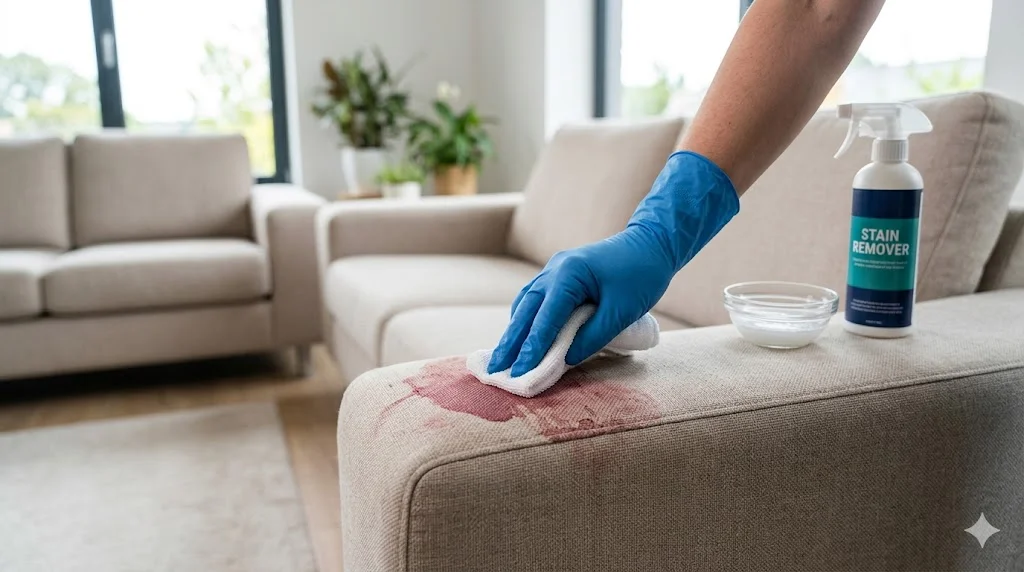
Start by blotting (never rubbing) the area with a clean, dry cloth to absorb as much liquid as possible. Rubbing spreads the stain and grinds it deeper into the fabric. For solid messes like food or mud, gently scrape off excess with a dull knife or spoon before treating.
Step-by-Step Guide to Removing Common Tough Stains
1. Identify the Fabric Type
Before applying any cleaner, check your couch’s care label. Look for codes like “W” (water-safe), “S” (solvent-only), “WS” (either), or “X” (vacuum only). Using water on a solvent-only fabric can cause discoloration or damage. When in doubt, test your cleaning solution on a hidden area first.
2. Choose the Right Cleaning Solution
Different stains require different approaches. Here’s a quick reference:
- Grease or oil stains: Sprinkle baking soda or cornstarch to absorb oil. Let it sit for 15–30 minutes, then vacuum. Follow with a mix of dish soap and warm water.
- Red wine or juice: Blot immediately, then apply a mixture of hydrogen peroxide and a drop of dish soap. Rinse with a damp cloth.
- Ink stains: Dab with rubbing alcohol using a cotton ball. Work from the outside in to prevent spreading.
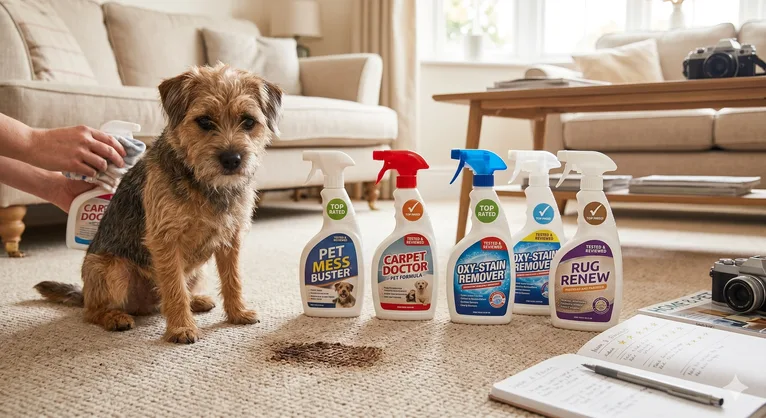
- Pet urine: Blot, then apply an enzymatic cleaner designed for organic stains. Avoid ammonia-based products—they can attract pets back to the spot.
3. Apply and Blot, Don’t Scrub
Apply your chosen solution gently using a spray bottle or damp cloth. Let it sit for 5–10 minutes to break down the stain. Then, blot with a clean, dry towel. Repeat if necessary. Never soak the fabric—excess moisture can lead to mold or mildew, especially in padded areas.
DIY vs. Commercial Cleaners: What Works Best?

Many effective upholstery cleaners are already in your kitchen. A simple mix of 1 tablespoon dish soap + 1 cup warm water + 1 tablespoon white vinegar works wonders on general stains. Vinegar neutralizes odors while soap lifts grease.
For tougher jobs, commercial upholstery cleaners like Resolve or Bissell formulas are formulated for deep cleaning and often come with handheld tools. However, always check compatibility with your fabric type. Enzymatic cleaners are best for biological stains like vomit or pet accidents because they break down proteins at a molecular level.
Avoid bleach or harsh chemicals unless absolutely necessary—they can fade colors and weaken fibers over time.
Prevention Tips to Keep Your Couch Stain-Free
Once your couch is clean, protect it from future mishaps:
- Use washable slipcovers or throws in high-traffic areas.
- Apply a fabric protector spray after cleaning (reapply every 6–12 months).
- Keep drinks in spill-proof cups and avoid eating on upholstered furniture.
- Vacuum weekly to remove dust and crumbs that can grind into fabric.
Regular maintenance not only prevents stains but also extends the life of your furniture.
Key Takeaways
- Act fast—blot, don’t rub, and treat stains immediately.
- Always check fabric care labels before cleaning.
- Use targeted solutions: baking soda for grease, hydrogen peroxide for wine, alcohol for ink.
- DIY cleaners work well for most stains; save commercial products for tough cases.
- Prevent future stains with protectors, covers, and smart habits.
FAQ
Can I use a steam cleaner on my couch?
It depends on the fabric. Steam cleaning is effective for deep cleaning but should only be used on water-safe materials (look for a “W” or “WS” label). Always test a small area first and ensure proper drying to prevent mold.
What if the stain is old and set in?
Older stains may require multiple treatments. Reapply your cleaning solution and let it sit longer—up to 30 minutes. For very stubborn stains, consider renting a professional upholstery cleaner or hiring a service.
Will vinegar damage my upholstery?
Diluted vinegar is generally safe for most fabrics and helps deodorize. However, avoid using it on silk or acetate, as it can cause discoloration. Always rinse with water after use.