Best Raised Garden Beds for Small Backyards: Maximize Your Space with Smart Design

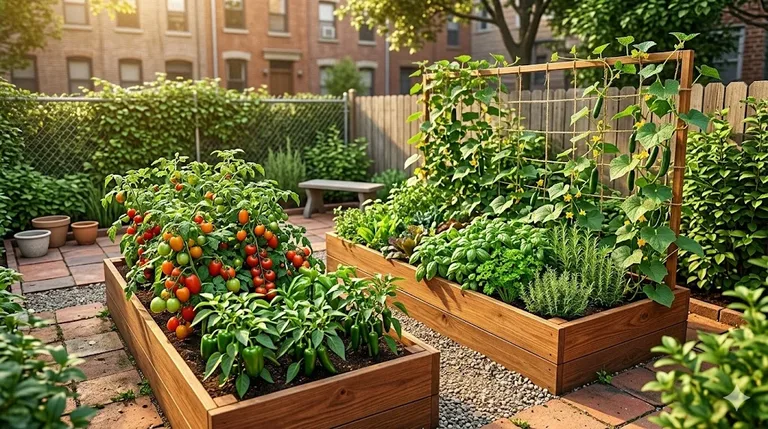
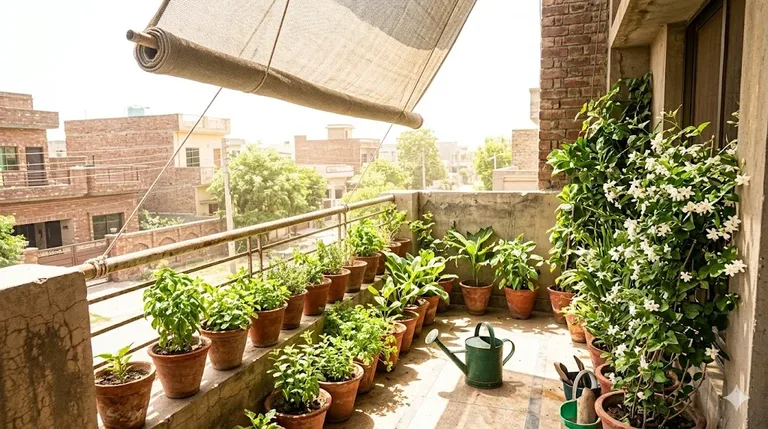
If you’re working with a compact outdoor area but still want to grow fresh herbs, vegetables, or flowers, the best raised garden beds for small backyards offer a practical and stylish solution. These elevated planters save space, improve soil quality, and make gardening more accessible—especially if you’re dealing with poor soil or limited mobility. Whether you have a tiny patio, a narrow side yard, or just a sliver of green, the right raised bed can transform your gardening experience.
Why Choose Raised Garden Beds for Tight Spaces?
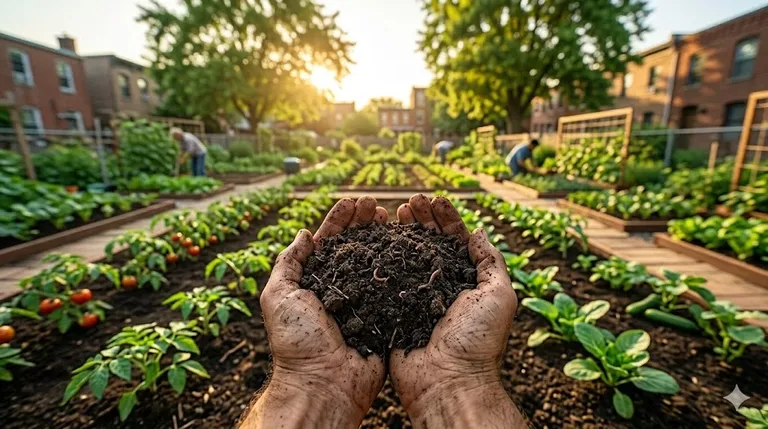
Raised garden beds are ideal for small backyards because they concentrate your growing area while minimizing wasted space. Unlike traditional in-ground gardens, raised beds allow you to control soil composition, reduce weed intrusion, and improve drainage. They also elevate plants to a more comfortable height, reducing strain on your back and knees.
For urban gardeners or those with limited outdoor real estate, raised beds make it possible to grow more in less space. Vertical stacking, tiered designs, and compact footprints are common features that enhance functionality without overwhelming your yard.
Key Benefits of Raised Beds in Small Areas
- Space efficiency: Grow vertically or in tight layouts without sacrificing yield.
- Better soil control: Fill with nutrient-rich, well-draining soil tailored to your plants.
- Fewer pests and weeds: Elevated design deters ground-dwelling insects and reduces weed growth.
- Improved accessibility: Perfect for seniors or those with mobility challenges.
- Aesthetic appeal: Neat, structured look enhances your backyard’s visual charm.
Top Features to Look for in Raised Garden Beds for Small Yards
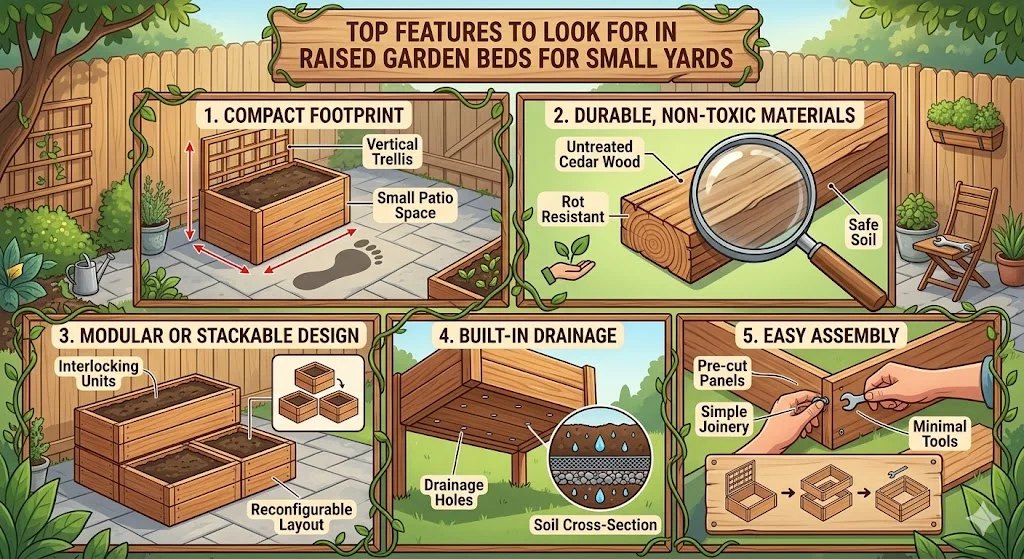
Not all raised beds are created equal—especially when space is at a premium. When shopping for the best raised garden beds for small backyards, prioritize these essential features:
1. Compact Footprint
Look for beds that are 3 to 4 feet wide—this allows easy access from all sides without stepping into the soil. Lengths under 6 feet work well for small patios or balconies.
2. Durable, Non-Toxic Materials
Choose materials like cedar, redwood, or composite lumber that resist rot and don’t leach harmful chemicals. Avoid treated wood unless it’s labeled safe for edible plants.
3. Modular or Stackable Design
Modular systems let you expand over time. Stackable beds add vertical growing space—ideal for herbs, strawberries, or greens.
4. Built-in Drainage
Proper drainage prevents root rot. Ensure the bed has drainage holes or sits slightly elevated off the ground.
5. Easy Assembly
Pre-fabricated kits with simple tools save time and frustration. Look for no-drill or snap-together options if DIY isn’t your strength.
Our Top Picks: Best Raised Garden Beds for Small Backyards
After testing and reviewing dozens of models, here are our top recommendations that balance size, durability, and usability for compact spaces.
1. Greenes Fence Raised Garden Bed Kit (Cedar)
This classic cedar bed is 4′ x 8′ but can be shortened to fit smaller areas. Its natural rot resistance and attractive finish make it a backyard favorite. The open-bottom design allows roots to reach native soil below while containing premium growing mix.
2. VegTrug Classic Raised Garden Bed
With a 32-inch height and waist-level design, the VegTrug is perfect for seniors or those avoiding bending. Its curved shape maximizes planting space while fitting neatly on patios or decks. Includes a fitted fabric liner for easy soil containment.
3. Gardener’s Supply Company Elevated Raised Bed
This 36” x 36” square bed sits on sturdy legs, eliminating the need for kneeling. Made from recycled plastic, it’s weatherproof and won’t crack or splinter. Ideal for growing salad greens, herbs, and compact vegetables.
4. Frame It All Modular Raised Garden Bed System
Start small and expand as needed. This modular system uses interlocking composite rings that stack vertically. Great for tiered planting and maximizing vertical space in tight corners.
DIY vs. Pre-Built: Which Is Right for You?
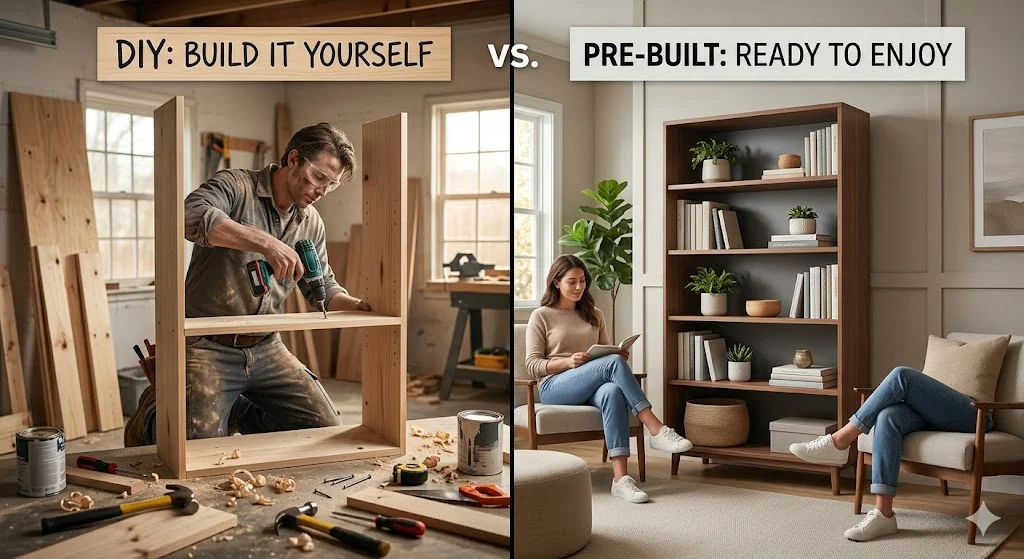
Pre-built raised beds offer convenience and polished aesthetics—ideal if you want to start gardening immediately. They often come with warranties and are designed for optimal plant health.
On the other hand, DIY raised beds let you customize size, height, and materials to your exact needs. Using reclaimed wood or bricks can also reduce costs. Just ensure your design includes proper depth (at least 6–12 inches) and drainage.
For small backyards, a hybrid approach works well: buy a pre-made frame and add your own soil mix or trellis system for climbing plants like beans or cucumbers.
Key Takeaways
- The best raised garden beds for small backyards combine space-saving design with durability and ease of use.
- Prioritize compact dimensions, non-toxic materials, and accessibility when choosing a bed.
- Modular and elevated options offer flexibility for future expansion or mobility needs.
- Whether you buy pre-built or build your own, proper soil and drainage are critical for success.
FAQ
How deep should a raised garden bed be for a small backyard?
Most vegetables need at least 6 to 12 inches of soil depth. For root crops like carrots or potatoes, aim for 12 inches. Shallow beds (6 inches) work well for greens and herbs.
Can I place a raised garden bed on concrete or a deck?
Yes, but ensure the bed has drainage holes and sits on a permeable surface or drainage mat. Avoid direct contact with treated wood decks to prevent chemical leaching.
Do raised garden beds require special soil?
Yes. Use a mix of topsoil, compost, and peat moss or coconut coir for optimal drainage and nutrition. Avoid using native soil alone, as it may compact and hinder root growth.