Best DIY Cleaning Solutions for Everyday Home Cleaning
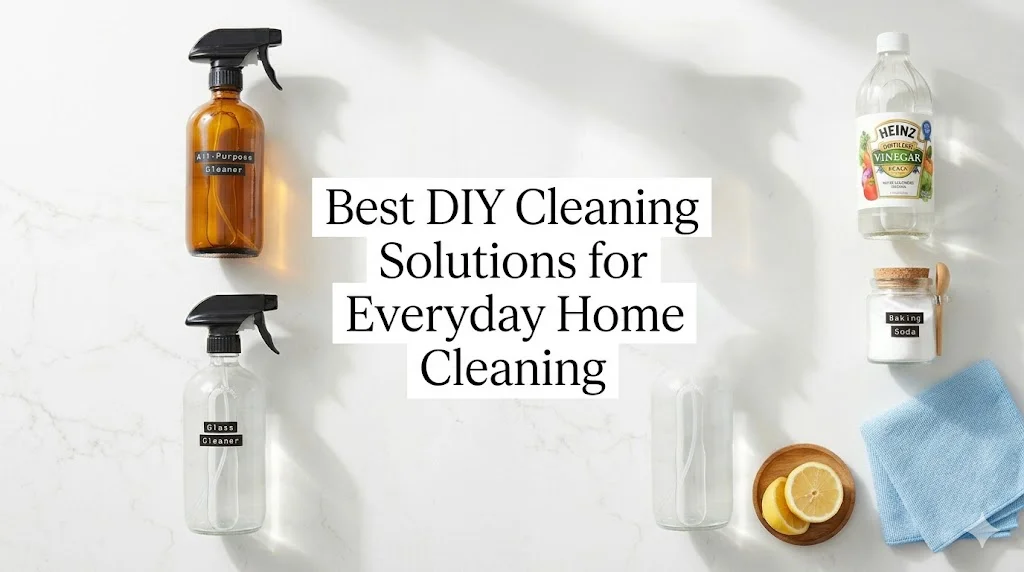
Last winter, I stood in the cleaning aisle of my local grocery store staring at a bottle of all-purpose spray that cost more than my lunch. And I thought — what exactly am I paying for here? A fancy label? A nice smell? Because I knew, deep down, that most of these products share a handful of the same basic ingredients.
That frustration pushed me to start experimenting with DIY cleaning solutions at home. And honestly? Some of my homemade mixes cleaned better than the branded stuff. Some flopped completely. But after months of trial, error, and a few accidental discoveries, I now have a small collection of go-to recipes that I actually trust.
Let me walk you through what actually works — and what I learned the hard way.
Why DIY Cleaning Solutions Actually Make Sense
Before I get into the recipes, let me be honest with you. I was skeptical at first. I thought homemade cleaners were something people made for Instagram aesthetics — cute little spray bottles lined up on a shelf, not actually doing any real cleaning work.
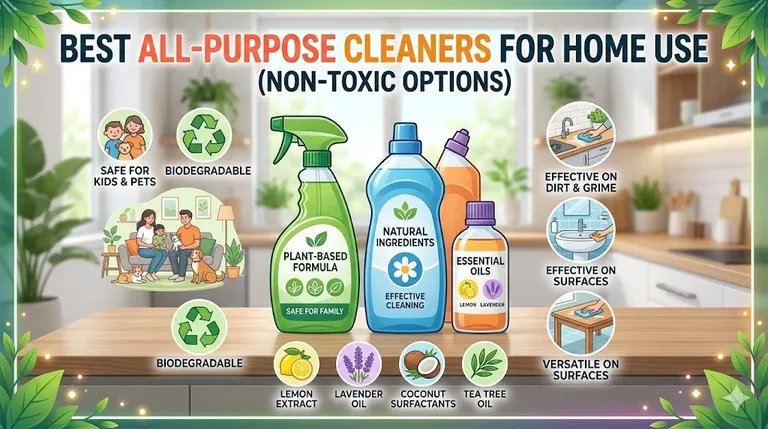
But here is the thing: commercial cleaners are mostly water, a surfactant, a fragrance, and some marketing. When you break it down, the core cleaning agents are things like vinegar, baking soda, castile soap, and hydrogen peroxide — all of which you can buy for a fraction of the price.
There is also something that just feels good about knowing exactly what you are spraying on your kitchen counter where your kids eat. No mystery chemicals, no warnings about keeping it away from pets.
The Only Ingredients You Need to Stock
You do not need a chemistry degree or a cabinet full of supplies. I keep these five things on hand, and they cover almost every cleaning job in my home:
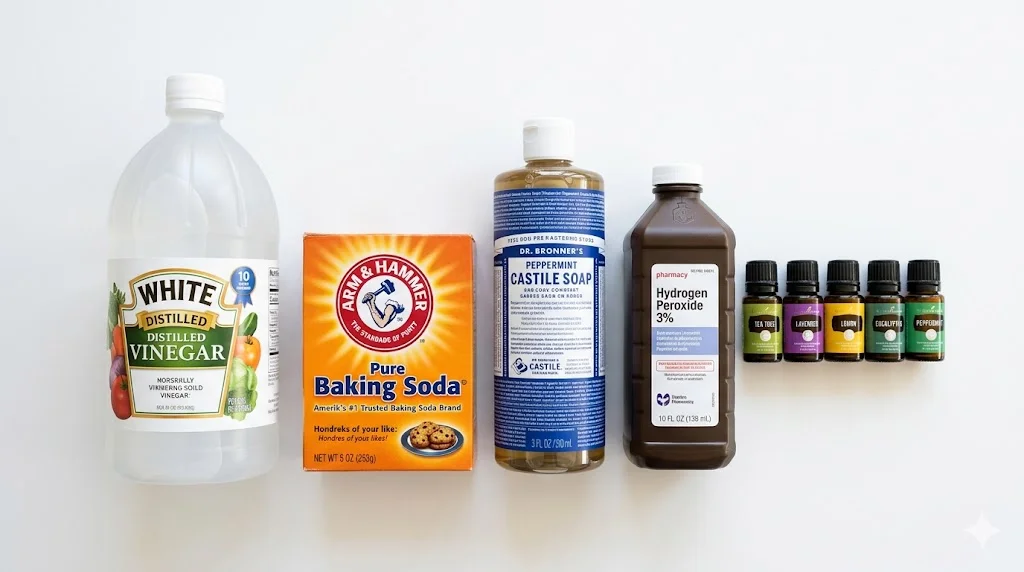
White distilled vinegar — the workhorse. Cuts through grease, removes mineral deposits, and deodorizes surfaces.
Baking soda — a gentle abrasive that scrubs without scratching. Also great for neutralizing odors.
Castile soap — this is a plant-based liquid soap (I use Dr. Bronner’s, the unscented version) that lifts dirt and grime like a dream.
Hydrogen peroxide (3%) — the kind from the pharmacy. An excellent disinfectant that breaks down harmlessly into water and oxygen.
Essential oils — totally optional, but a few drops of tea tree, lavender, or lemon oil adds a pleasant scent and a mild antibacterial boost.
One thing I learned quickly: never mix vinegar and hydrogen peroxide in the same bottle. I made that mistake once, thinking more ingredients meant more cleaning power. It does not. Combined, they form peracetic acid, which can be irritating to your lungs and skin. Use them separately, one after the other if needed.
DIY All-Purpose Cleaner (My Most-Used Recipe)
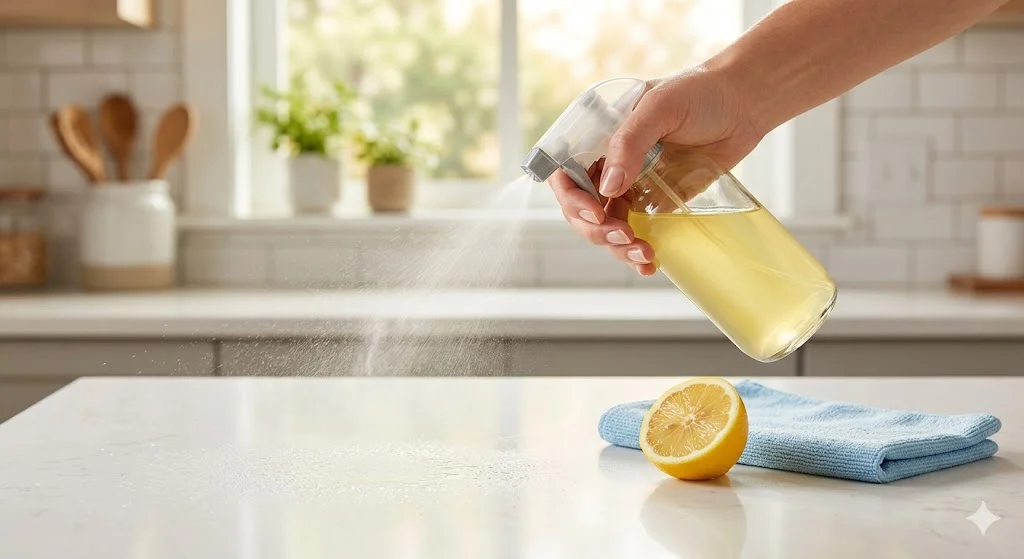
This is the one I reach for every single day — kitchen counters, bathroom sinks, stovetop splashes, doorknobs, you name it.
What you need:
- 1 cup water
- 1 cup white vinegar
- 15 drops tea tree essential oil
- 10 drops lemon essential oil
- A 16 oz spray bottle (I use a glass one from Amazon, about $3)
How to make it: Pour the water and vinegar directly into the spray bottle. Add your essential oils. Give it a gentle shake before each use since oils and water separate over time.
That is genuinely it. Spray it on a surface, let it sit for about 30 seconds, then wipe with a microfiber cloth.
One mistake I made: I used this on my granite countertops and slightly dulled the finish. Vinegar is acidic, and acidic cleaners can damage natural stone surfaces like marble and granite. Stick to mild soap and water for those. I now keep a separate, vinegar-free bottle specifically for the bathroom vanity which has stone tile.
DIY Bathroom Scrub (For Sinks, Tubs, and Grout)
My bathroom tile grout was looking grim — grey and dingy, no matter how many times I wiped it down. This paste changed everything.
What you need:
- 1/2 cup baking soda
- Enough castile soap to make a thick paste (roughly 2 tablespoons)
- 5 drops tea tree oil
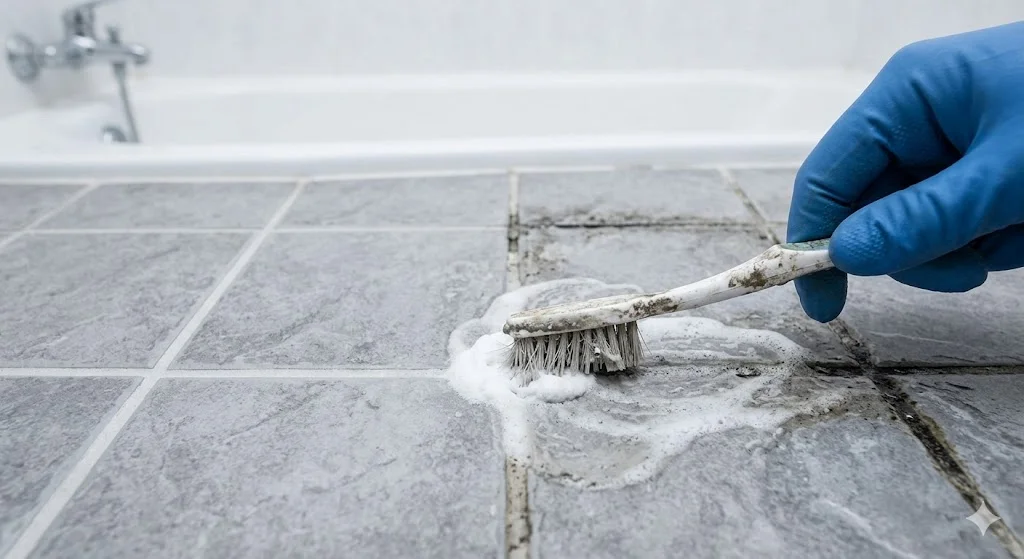
How to use it: Mix the baking soda and castile soap in a small bowl until it forms a paste. Add the tea tree oil. Apply the paste to the area you want to scrub using an old toothbrush (seriously, keep your old toothbrushes — they are the best cleaning tools you own). Scrub in circular motions, let it sit for five minutes, then rinse.
The first time I used this on my shower grout, I was standing there with my mouth open. The grime lifted off in a way that my expensive store-bought grout cleaner never managed.
The key is the combination of baking soda’s gentle abrasion and the surfactant in castile soap that breaks up the soap scum and body oils that accumulate in grout over time.
DIY Glass and Mirror Cleaner (No Streaks, Finally)
I used to go through bottle after bottle of glass cleaner and still had streaks. I found out the culprit was actually the paper towels I was using — they leave lint. Switch to a microfiber cloth or a crumpled piece of newspaper, and the streak problem mostly disappears.
But the cleaner itself matters too.
What you need:
- 2 cups water
- 1/2 cup white vinegar
- 1/4 cup rubbing alcohol (70% concentration)
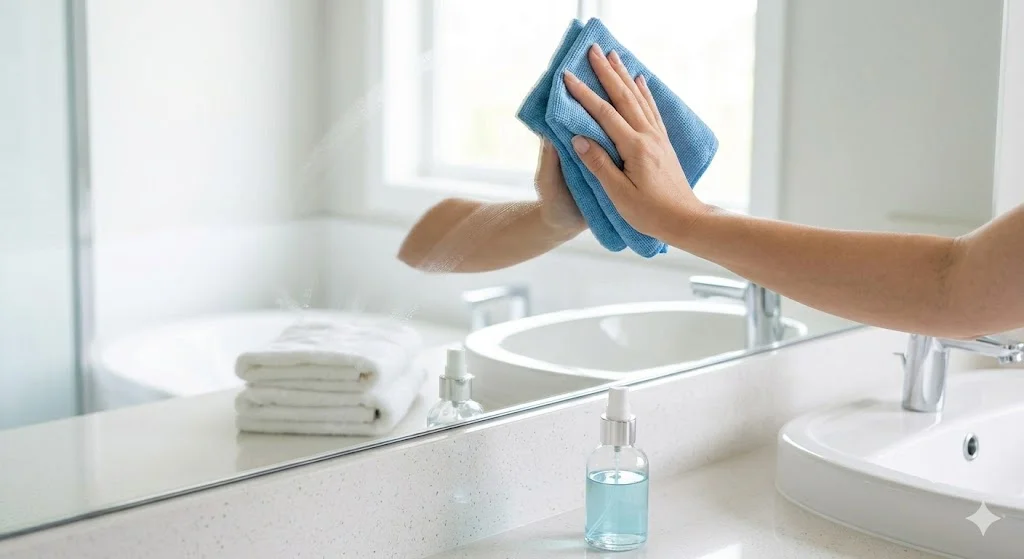
How to use it: Mix everything in a spray bottle. Spray on mirrors or glass, then wipe with a clean microfiber cloth in an S-pattern (top to bottom, side to side) rather than circular motions, which just spread the moisture around.
I use this on every mirror in my house and my glass stovetop. Rubbing alcohol is the secret ingredient here — it evaporates quickly, which is what prevents streaking.
DIY Disinfecting Spray (When You Actually Need to Kill Germs)
Vinegar is a good cleaner, but let us be real — it is not a registered disinfectant. If someone in your house has been sick, or you are cleaning a surface that has had raw meat on it, you want something that actually kills bacteria and viruses.
What you need:
- 1 cup 3% hydrogen peroxide (straight from the bottle)
- 10 drops lavender or tea tree essential oil (optional, for scent only)
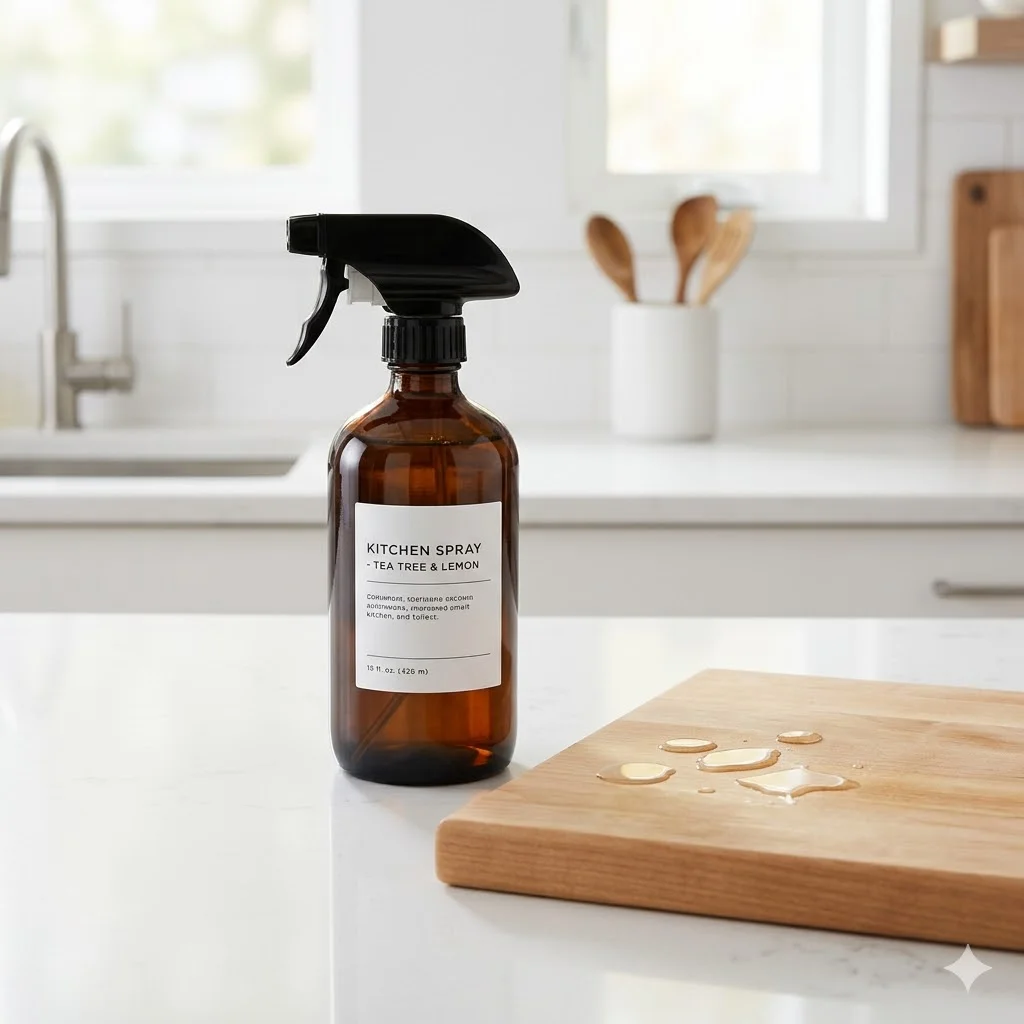
Pour the hydrogen peroxide into a dark spray bottle — light breaks it down and makes it less effective. Add your essential oils if using.
How to use it: Spray onto the surface and let it sit for at least one minute before wiping. Do not rinse — it breaks down into water and oxygen on its own.
I use this on cutting boards, toilet seats, doorknobs, and light switches. It is gentle enough that I do not worry about using it around my kids, but effective enough that I trust it when it counts.
DIY Laundry Booster (For Whites That Have Gone Grey)
This one is a bonus, but it deserves a mention. My white kitchen towels were looking permanently dingy. I tried soaking them in a solution of 1 cup of hydrogen peroxide per gallon of hot water for about an hour before washing them normally. They came out visibly brighter — not bleached-white, but noticeably cleaner looking.
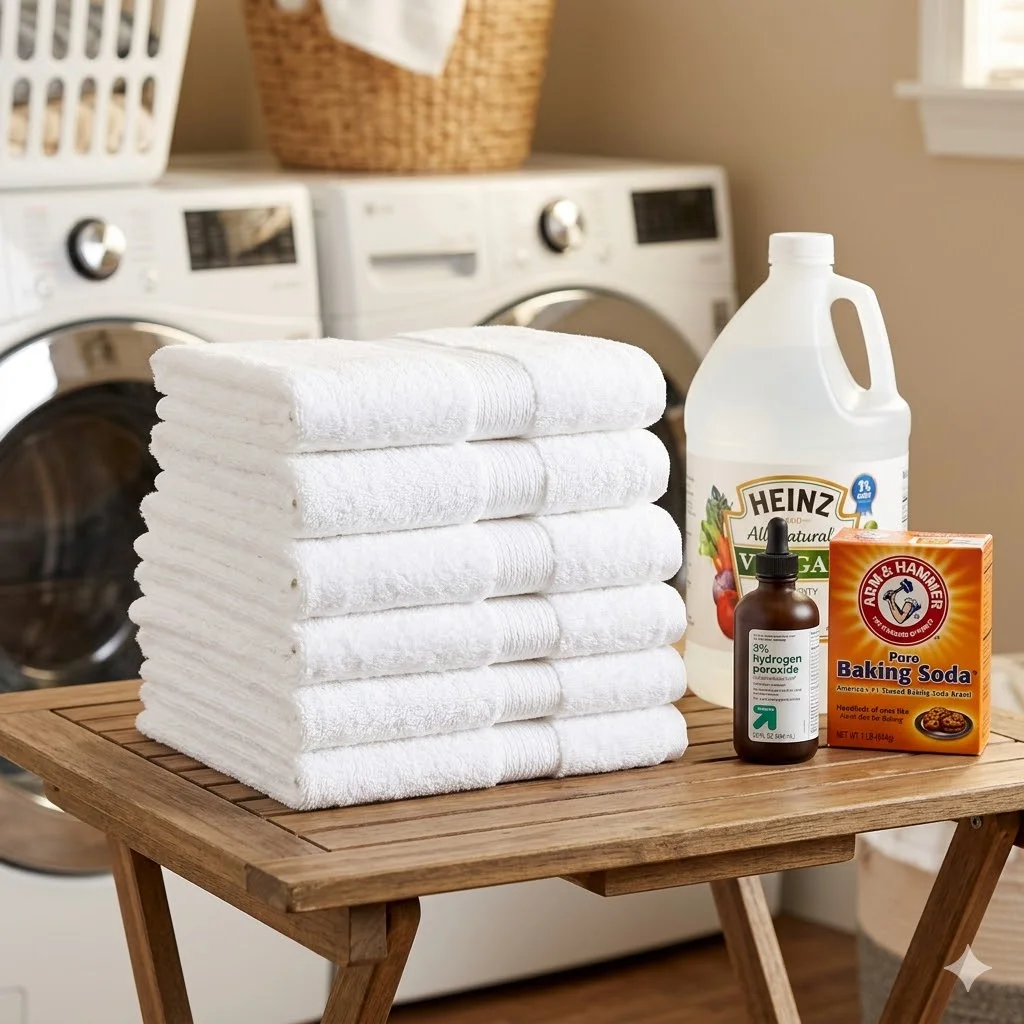
I also add half a cup of white vinegar to the rinse cycle instead of fabric softener. It removes detergent buildup, softens fabric naturally, and leaves absolutely no vinegar smell once the clothes are dry. If you have never tried this, give it one load — you will be surprised.
Common Mistakes People Make With DIY Cleaners
A few things I wish someone had told me earlier:
Mixing vinegar and baking soda thinking it doubles the power. It actually neutralizes both of them. The fizzing looks impressive, but you are basically just making water with some salt in it. Use them separately for different tasks.
Using undiluted castile soap. A little goes a very long way. Too much leaves a white residue that is annoying to buff off.
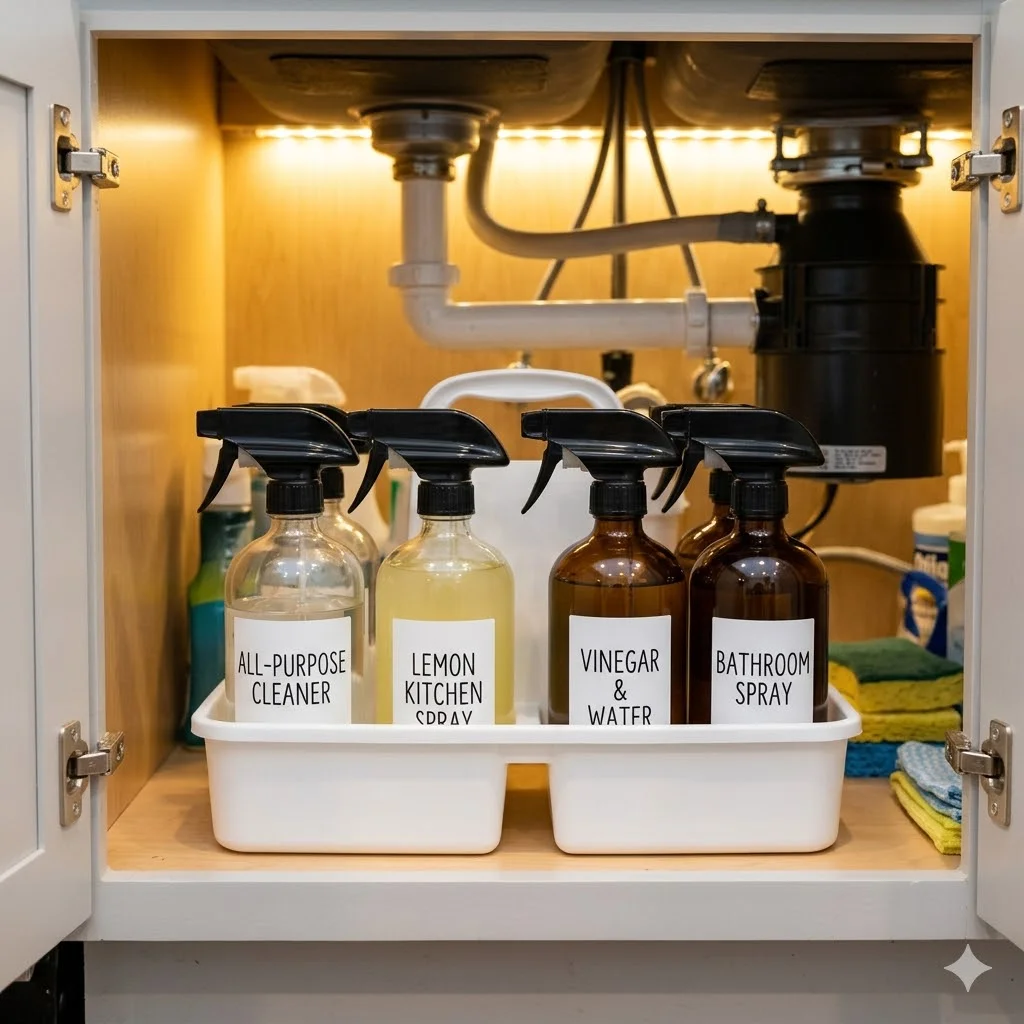
Not labeling your spray bottles. I once grabbed my glass cleaner to wipe down the stove and left a vinegar smell on the burners for an hour. Label everything.
Storing hydrogen peroxide in a clear bottle. Light degrades it fast. Pharmacy bottles are brown for a reason — either keep it in the original container or transfer it to a dark glass bottle.
A Quick Word on Storage and Shelf Life
Your all-purpose spray and glass cleaner will last about 2 to 3 months before the essential oils start to lose their potency. The hydrogen peroxide spray is good for about 30 days once opened and transferred. The baking soda scrub is best made fresh each time since it only takes about 30 seconds to whip together.
I keep my bottles in a small caddy under the kitchen sink and another set in the bathroom cabinet. Keeping them organized means I actually use them instead of forgetting they exist.
The Bottom Line
Making your own cleaning products is not about being extreme or off-grid or doing some wellness trend. For me, it is just practical. I spend less money, I know what is in the products I use around my family, and honestly, they work just as well — sometimes better — than what I used to buy.
Start with the all-purpose spray. Make one bottle, use it for a week, and see if it works for your home. Then add the scrub paste when you are ready to tackle the bathroom. You do not have to overhaul everything at once.
The best cleaning solution is the one you will actually use consistently — and when it costs almost nothing to make, that becomes a lot easier to do.