How to Clean Greasy Kitchen Cabinets Without Damaging Them
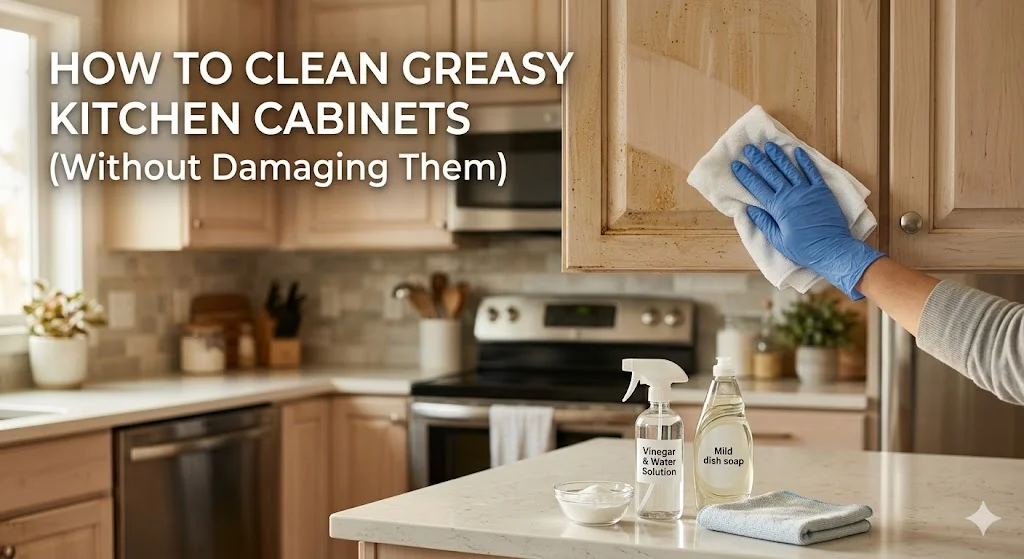
Greasy kitchen cabinets are a common headache for homeowners—especially in busy households where cooking happens daily. Over time, grease, smoke, and food splatters build up on cabinet surfaces, leaving them sticky, discolored, and dull. The good news? You can restore your cabinets to their original shine without damaging the finish. Learning how to clean greasy kitchen cabinets safely is essential for maintaining both appearance and longevity. With the right tools, techniques, and cleaning solutions, you can tackle stubborn grime while protecting wood, laminate, or painted surfaces.
Why Grease Builds Up on Kitchen Cabinets
Kitchen cabinets are constantly exposed to airborne oils from frying, sautéing, and grilling. These oils settle on surfaces, mixing with dust and moisture to form a sticky film. Without regular cleaning, this buildup hardens and becomes difficult to remove. High-traffic areas near stovetops and ovens are especially prone to heavy grease accumulation. Left unchecked, grease can seep into porous materials like unfinished wood, causing permanent staining or warping.
Understanding the source of the problem helps you choose the right cleaning method. Different cabinet materials react differently to moisture and cleaning agents, so a one-size-fits-all approach won’t work. Whether your cabinets are made of solid wood, MDF, laminate, or painted finishes, the key is gentle yet effective cleaning that dissolves grease without stripping protective coatings.
Essential Tools and Supplies for Safe Cleaning
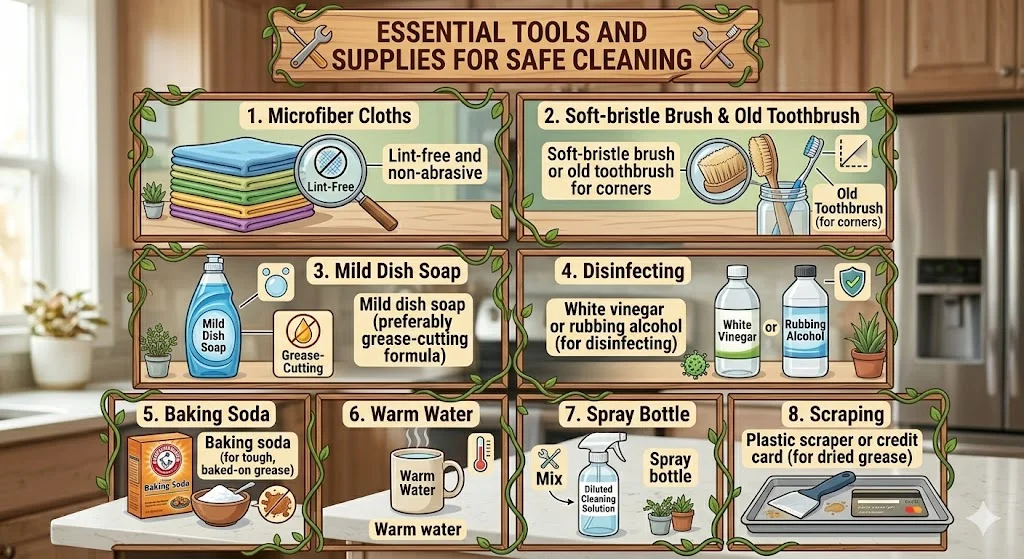
Before you start scrubbing, gather the right tools to avoid accidental damage. Using harsh chemicals or abrasive scrubbers can scratch surfaces or dull finishes. Here’s what you’ll need:
- Microfiber cloths (lint-free and non-abrasive)
- Soft-bristle brush or old toothbrush for corners
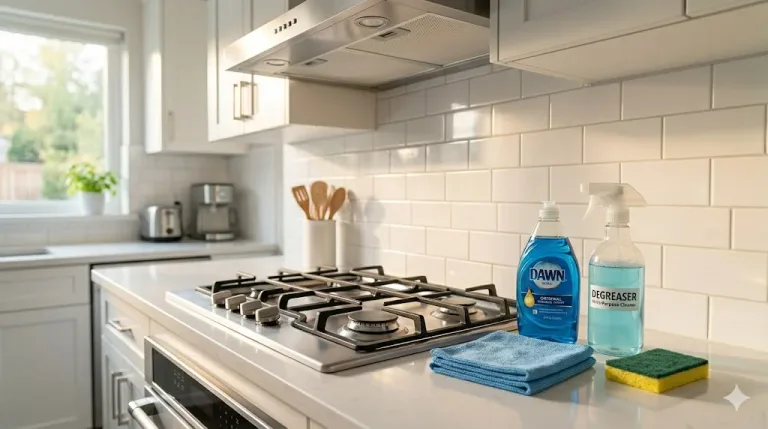
- Mild dish soap (preferably grease-cutting formula)
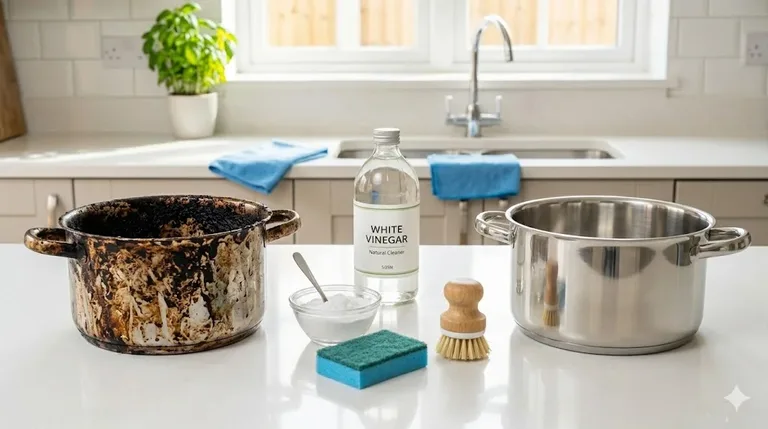
- White vinegar or rubbing alcohol (for disinfecting)
- Baking soda (for tough, baked-on grease)
- Warm water
- Spray bottle
- Plastic scraper or credit card (for dried grease)
Avoid using steel wool, bleach, or ammonia-based cleaners unless absolutely necessary—and only on non-porous surfaces. These can strip finishes, discolor wood, or leave behind toxic residues.
Step-by-Step Guide to Clean Greasy Kitchen Cabinets
Step 1: Remove Loose Dust and Debris
Start by wiping down cabinet surfaces with a dry microfiber cloth to remove dust and loose particles. This prevents scratching during the wet cleaning phase. Pay special attention to handles, edges, and corners where grime tends to collect.
Step 2: Prepare a Gentle Cleaning Solution
Mix 1 tablespoon of mild dish soap with 1 quart of warm water. For extra degreasing power, add 1 tablespoon of white vinegar or rubbing alcohol. Pour the solution into a spray bottle for even application. Avoid soaking the cabinets—mist lightly and wipe immediately.
Step 3: Wipe Down Cabinet Surfaces
Spray the solution onto a cloth (not directly on the cabinet) and gently wipe in the direction of the wood grain. For laminate or painted cabinets, use circular motions. Focus on greasy areas like above the stove or near the range hood. Rinse the cloth frequently to avoid spreading grease.
Step 4: Tackle Stubborn Grease with Baking Soda Paste
For hardened or sticky residue, make a paste with 3 parts baking soda to 1 part water. Apply it to the affected area with a soft cloth and let it sit for 5–10 minutes. Gently scrub with a soft brush, then wipe clean with a damp cloth. Baking soda is mildly abrasive but safe for most finishes.
Step 5: Dry and Polish
After cleaning, use a dry microfiber cloth to buff the surface and remove any moisture. This prevents water damage and restores shine. For wood cabinets, consider applying a small amount of furniture polish (test in an inconspicuous area first).
Special Care for Different Cabinet Materials
Not all cabinets are created equal. The cleaning method should match the material to avoid damage.
- Wood Cabinets: Use minimal moisture. Avoid vinegar on unfinished or oiled wood, as it can strip natural oils. Stick to mild soap and water.
- Laminate Cabinets: Resistant to moisture but prone to scratching. Use non-abrasive cleaners and avoid excessive water near seams.
- Painted Cabinets: Can be cleaned with mild soap and water. Test cleaners on a small area first to ensure paint integrity.
- Thermofoil or Vinyl-Wrapped: Wipe with a damp cloth and mild detergent. Never use solvents or abrasive pads.
Preventing Future Grease Buildup
Regular maintenance is the best defense against greasy cabinets. Wipe down surfaces weekly with a damp microfiber cloth to prevent buildup. Install a range hood with a strong exhaust fan to reduce airborne grease. Use splatter guards while cooking, and consider applying a protective wax or sealant to wood cabinets every 6–12 months.
For high-use kitchens, a monthly deep clean is recommended. Set a reminder on your phone or calendar to stay consistent. Prevention not only keeps cabinets looking new but also extends their lifespan.
Key Takeaways
- Clean greasy kitchen cabinets gently using mild soap, warm water, and microfiber cloths.
- Avoid harsh chemicals and abrasive tools that can damage finishes.
- Use baking soda paste for stubborn grease, but test on a small area first.
- Adjust your cleaning method based on cabinet material—wood, laminate, paint, etc.
- Prevent buildup with weekly wipes and proper kitchen ventilation.
FAQ
Can I use vinegar to clean greasy kitchen cabinets?
Yes, but with caution. White vinegar is effective at cutting grease and disinfecting surfaces. However, it should be diluted (1 part vinegar to 3 parts water) and avoided on natural wood finishes, as it can dry out the material over time. Always rinse and dry thoroughly after use.
How often should I clean my kitchen cabinets?
For most homes, a light wipe-down every 1–2 weeks is sufficient. Deep cleaning should be done every 1–3 months, depending on cooking frequency. Kitchens with heavy frying or grilling may require more frequent attention.
What should I do if grease has seeped into the wood grain?
For deep-set grease in wood, try a mixture of baking soda and water applied as a paste. Let it sit for 10–15 minutes, then gently scrub with a soft brush. If the stain persists, consult a professional refinisher—avoid sanding or harsh chemicals that could damage the cabinet.