How I Lost Weight Using A Free Ebook – I Almost Deleted Without Opening
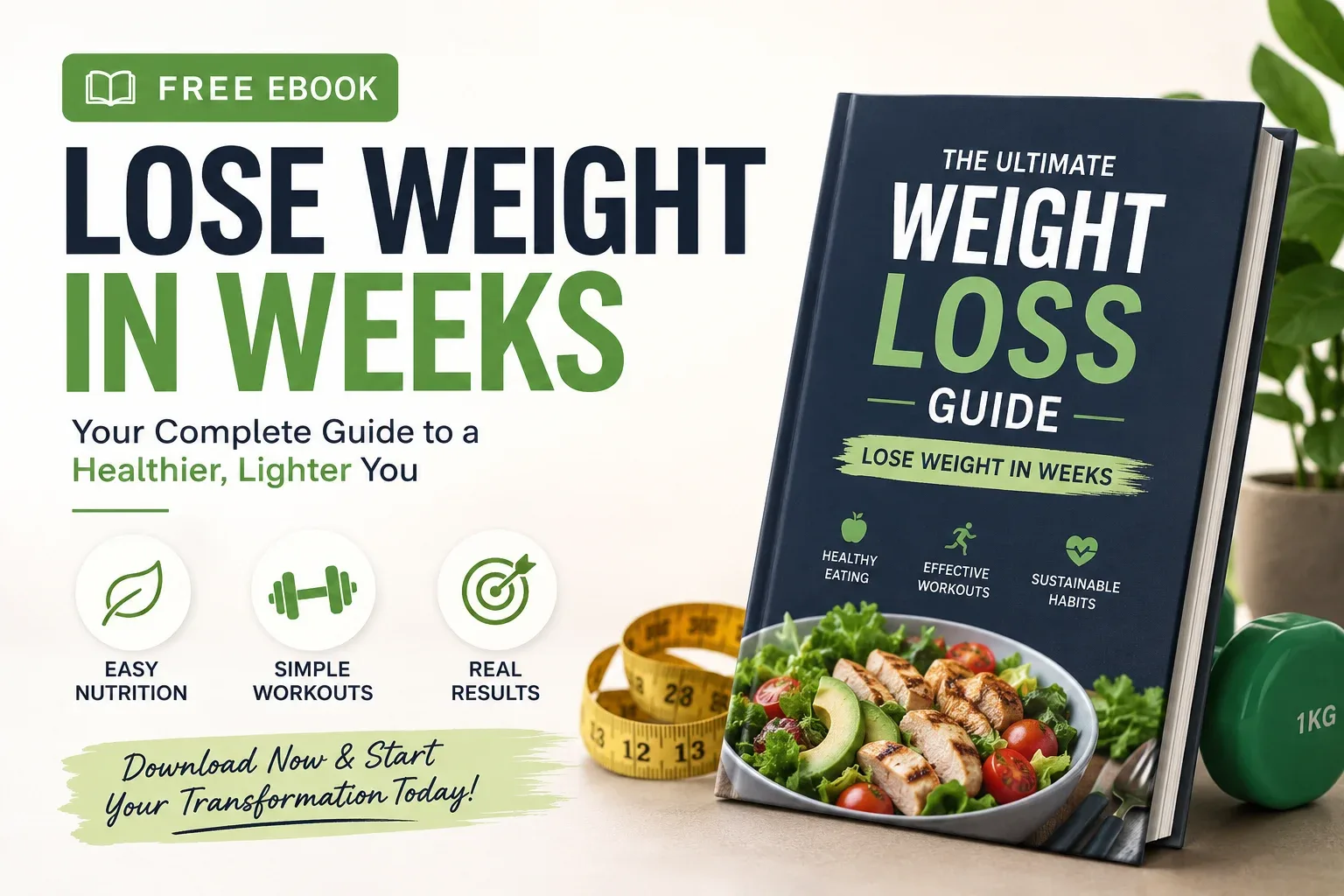
I found this ebook in my email spam folder, of all places. I was cleaning out old subscriptions one Sunday morning, half hungover, half annoyed at myself for another week of takeout containers piling up in the recycling bin, and I almost hit delete on all of it without reading a single line.
Something made me open that one email first. Maybe it was the subject line, maybe it was just procrastination from doing actual chores. Either way, that random five minutes ended up being the start of losing about 19 pounds over the next few months, without spending a rupee on programs, coaches, or subscription apps.
I want to walk you through exactly what happened, because I think the “free” part is what makes this story actually useful to people who are tired of being sold expensive solutions to a problem that mostly comes down to habits.
Where I Was Starting From
I worked a desk job, sat for roughly nine hours a day, and my idea of dinner most nights was whatever required the least effort. I wasn’t eating badly on purpose. I just never planned anything, so convenience always won.
I’d tried a couple of paid apps before this. One had a monthly fee I kept forgetting to cancel. Another wanted me to log every single macro down to the gram, which lasted about four days before I gave up out of sheer exhaustion.
So when this free guide showed up, promising something simpler, I was honestly more curious than hopeful.
What Was Actually Inside It
The ebook was maybe 40 pages, no fluff, no upsells hidden every other page like some free guides tend to have. It focused on three things: eating windows, protein at every meal, and daily movement that didn’t require a gym.
Nothing in it felt extreme. That was actually the first thing that made me trust it a little. It wasn’t promising I’d drop ten pounds in a week or cut out entire food groups overnight.
It read more like practical notes from someone who had actually struggled with weight before, not a marketing document dressed up as advice.
The First Two Weeks Were Rougher Than I Expected
I decided to just follow it exactly as written for two weeks before judging whether it worked.
Step one was picking an eating window, roughly ten hours a day, and sticking to it. I chose 9am to 7pm since that matched my work schedule. The first three days, I was hungry around 8pm out of pure habit, not actual hunger. That surprised me. I didn’t realize how much of my eating was just clock-watching instead of actual hunger.
Step two was adding a protein source to every meal, even breakfast. I used to just have toast or cereal. Switching to eggs or Greek yogurt in the morning kept me fuller far longer than I expected, and I stopped raiding the office snack drawer by 11am like I used to.
Step three was walking after dinner instead of immediately sitting on the couch. Just 15 to 20 minutes. I tracked it using the free step counter that’s already built into most phones, nothing fancy required.
By day ten, I noticed I wasn’t thinking about food constantly anymore, which honestly shocked me more than any number on the scale.
Where I Slipped Up
I want to be honest about the parts that didn’t go smoothly, because pretending it was a perfectly clean process wouldn’t help anyone.
Around week three, I had a rough week at work and fell straight back into ordering pizza three nights in a row. I felt like I’d ruined everything and almost gave up completely. The ebook actually had a short section about exactly this kind of moment, saying one bad week doesn’t erase the pattern you’ve already built, and that stuck with me more than I expected it to.
I also underestimated how much weekend drinking was working against me. I wasn’t tracking alcohol at all for the first month, and once I actually paid attention, I realized a couple of weekend nights out were basically undoing several days of decent eating. Once I cut back to maybe one night a week instead of two or three, progress picked up noticeably.
Another mistake was weighing myself daily. The number would jump around from water retention or salty food, and it messed with my motivation constantly. Switching to once a week, same morning, same conditions, made a huge difference in keeping my head straight.
A Simple Breakdown Of What I Actually Did
If you want the condensed version without all my rambling, here’s roughly the order I followed things in.
- First, I picked a realistic ten hour eating window based on my actual schedule, not some ideal version of my life I don’t actually live.
- Second, I added a protein source to every single meal without cutting anything else out yet.
- Third, I added a short walk after dinner, nothing intense, just consistent.
- Fourth, I started tracking alcohol and weekend eating separately, since that turned out to be a bigger factor than I originally gave it credit for.
- Fifth, I weighed in weekly instead of daily, and took a couple of progress photos each month instead of obsessing over the scale number alone.
None of this required buying anything. The only apps involved were the built-in step counter on my phone and the free version of Google Keep, which I used just to jot down meals so I could actually see patterns instead of guessing at them.
Mistakes People Commonly Make With Free Guides Like This
A lot of free ebooks get dismissed because people assume free means low quality, so they either don’t take it seriously or they skim it and skip the actual instructions.
Another common mistake is trying to implement everything on day one. I tried this myself with a different free guide years ago, changing my diet, workout, and sleep schedule simultaneously, and burned out within a week. This time, following things in order, one habit building on the last, made it sustainable instead of overwhelming.
People also tend to quit the moment results slow down, usually around week three or four when the initial water weight drop levels off. That plateau is normal, not failure, but it’s where most people give up right before things start showing on the scale again.
The last mistake, and probably the sneakiest one, is ignoring liquid calories entirely. Between coffee add-ins, juice, and alcohol, it’s easy to be consuming several hundred extra calories a day without eating a single extra bite of food.
What The Results Actually Looked Like
Over about sixteen weeks, I went from feeling constantly sluggish to actually having energy left over after work. The scale moved down close to 19 pounds total, though it wasn’t a straight line down. Some weeks nothing changed, one week I even went up slightly after a friend’s wedding weekend.
My pants fit differently before the scale reflected much of anything, which matched what I’d read about in the ebook regarding body composition changes not always syncing with weight changes right away.
I also slept better, which I didn’t expect at all. I’m guessing the earlier dinner window and less alcohol played a bigger role in that than I initially gave them credit for.
Final Thoughts
I almost deleted that email. I think about that sometimes, how close I came to just archiving it along with a dozen other things I never opened.
What actually worked wasn’t some secret hidden inside a paywall or a fancy program. It was simple, unglamorous stuff explained clearly enough that I could actually follow it without a manual or a coach walking me through every step.
If you’re skeptical of free resources because you assume the good stuff is always locked behind a price tag, I understand that instinct. But sometimes the simplest explanation, written by someone who’s actually been through the struggle, is worth more than an expensive program you’ll abandon by week two anyway.