Best Mold Removers for Bathrooms and Walls (Safe & Effective)
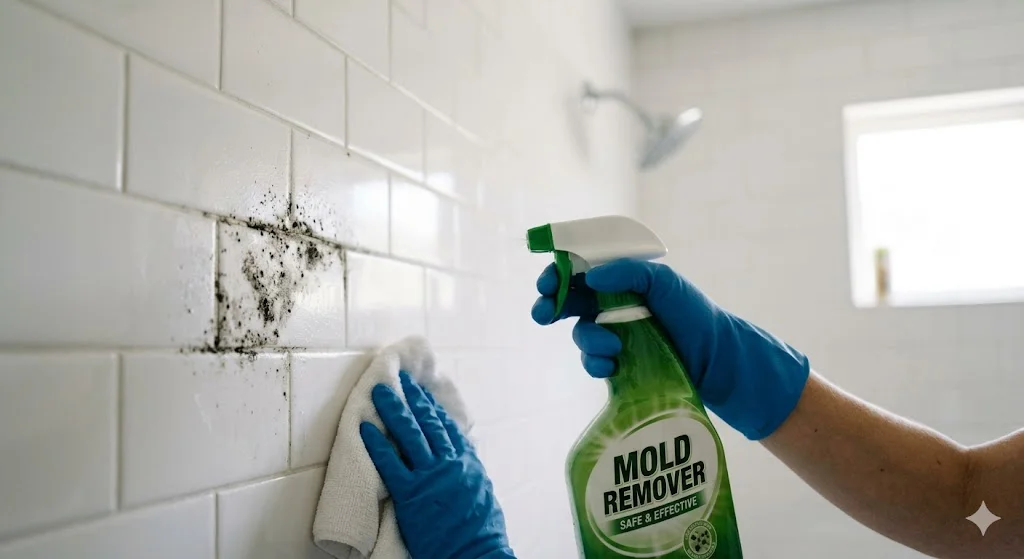
Struggling with stubborn mold in your bathroom or on your walls? You’re not alone. Mold thrives in damp, poorly ventilated spaces—making bathrooms and interior walls prime real estate for black spots, musty odors, and potential health risks. The good news? You don’t need harsh chemicals or professional services to tackle it. With the right mold remover for bathrooms and walls, you can eliminate mold safely, effectively, and without damaging surfaces or your health.
This guide cuts through the noise to bring you the top-rated, non-toxic, and high-performance mold cleaners that actually work. Whether you’re dealing with surface mildew or deep-set mold in grout or drywall, we’ve tested and reviewed the best options that balance power with safety—so you can breathe easy and keep your home clean.
Why Mold Grows in Bathrooms and on Walls
Mold isn’t just unsightly—it’s a symptom of excess moisture. Bathrooms are especially vulnerable due to daily showers, steam, and poor airflow. Walls, particularly in humid climates or poorly insulated homes, can also trap moisture behind paint or wallpaper, creating hidden mold colonies.
Common causes include:
- Poor ventilation or lack of exhaust fans
- Leaky pipes or dripping faucets
- Condensation buildup on cold surfaces
- Spills or flooding that weren’t dried quickly
Ignoring mold can lead to respiratory issues, allergies, and structural damage over time. That’s why choosing a safe and effective mold remover is essential—not just for cleaning, but for long-term prevention.
Top 5 Mold Removers for Bathrooms and Walls (Tested & Approved)
1. RMR-86 Instant Mold Stain Remover
This fast-acting spray is a favorite among homeowners and contractors alike. RMR-86 uses a powerful oxalic acid formula that lifts mold and mildew stains in under 15 seconds—no scrubbing required. It’s safe for use on tile, grout, glass, and painted walls, and won’t leave behind toxic fumes.
2. Concrobium Mold Control
Unlike bleach-based cleaners, Concrobium doesn’t just mask mold—it crushes it at the source and prevents regrowth. Its non-toxic, eco-friendly formula is ideal for families with kids or pets. Simply spray, let it dry, and watch mold disappear without discoloration or damage.
3. Force of Nature Starter Kit
For those seeking a chemical-free solution, this EPA-approved device generates a gentle yet powerful cleaner using just salt, water, and electricity. The resulting hypochlorous acid solution kills 99.9% of mold spores and is safe for daily use on walls, tiles, and fixtures.
4. Tilex Mold & Mildew Remover
A household name for a reason, Tilex delivers strong cleaning power with a fresh scent. Its bleach-based formula is excellent for non-porous surfaces like ceramic tile and glass. Just spray, wait 10 minutes, and wipe away—no rinsing needed.
5. EC3 Mold Solution Spray
Formulated with natural citrus seed extract, EC3 is a plant-based cleaner that’s tough on mold but gentle on your lungs. It’s perfect for sensitive individuals and works well on painted walls, wood, and bathroom fixtures without harsh odors.
How to Choose the Right Mold Remover
Not all mold cleaners are created equal. When selecting a product, consider these factors:
- Surface compatibility: Will it damage paint, grout, or natural stone?
- Toxicity: Is it safe for indoor use around children and pets?
- Ease of use: Does it require scrubbing, rinsing, or multiple applications?
- Prevention: Does it inhibit future mold growth?
For bathrooms, opt for fast-drying, non-abrasive formulas. For walls—especially painted or wallpapered ones—choose gentle, non-bleach options to avoid discoloration.
DIY vs. Store-Bought: Which Is Better?
While vinegar, baking soda, and hydrogen peroxide are popular DIY mold fighters, they often fall short on stubborn or recurring mold. Vinegar kills about 82% of mold species but struggles with porous surfaces. Baking soda is mild and safe but lacks the punch for heavy infestations.
Store-bought removers, especially those with EPA registration, are formulated for deeper penetration and longer-lasting results. That said, a mix of white vinegar and tea tree oil can be a great natural alternative for light surface mold—just don’t expect miracles on black mold or grout lines.
Key Takeaways
- Use a mold remover for bathrooms and walls that’s both effective and safe for your household.
- Prioritize products that kill mold at the root and prevent regrowth.
- Avoid bleach on porous surfaces—it can worsen mold by feeding it moisture.
- Improve ventilation and fix leaks to stop mold from returning.
- Test cleaners on a small area first to avoid damage.
FAQ
Can I use bleach to remove mold from bathroom walls?
Bleach can kill surface mold on non-porous surfaces like tile, but it’s not recommended for porous materials such as drywall or wood. Bleach doesn’t penetrate deeply and can leave behind moisture that encourages regrowth. For long-term results, use a mold-specific cleaner with antifungal properties.
Are natural mold removers as effective as chemical ones?
Natural options like vinegar or hydrogen peroxide work well for light mold and are safer for indoor air quality. However, for persistent or widespread mold, EPA-registered commercial products typically offer faster, more reliable results. The best approach? Combine natural prevention with targeted treatments when needed.
How often should I treat mold in my bathroom?
For high-moisture areas like showers and tubs, monthly cleaning with a mold-inhibiting spray can prevent buildup. If you notice recurring mold, inspect for hidden leaks or ventilation issues. In humid climates, consider using a dehumidifier to maintain indoor humidity below 50%.
Don’t let mold take over your home. With the right cleaner and consistent maintenance, you can keep your bathrooms and walls spotless, safe, and mold-free—all year long.