How You Can Grow Vegetables in a Small Backyard
When my husband and I moved into our house, the backyard was a concrete slab, a dying rose bush, and about 400 square feet of weedy grass. Not exactly a dream garden. But I was tired of paying a small fortune for tomatoes that tasted like cardboard, and I had this stubborn idea that I could grow real food back there — even in that cramped little space.
Three growing seasons later, that same tiny backyard now produces more tomatoes, peppers, cucumbers, and herbs than two adults can reasonably eat between June and October. And honestly? I had no idea what I was doing at first. I killed an entire tray of seedlings in my first week. I planted things too close together. I ignored drainage and nearly lost my zucchini to root rot.
But I figured it out, and you can too. Here’s everything I’ve learned about making a small backyard actually work for vegetable gardening.
Start with Honest Space Assessment
Before you buy a single seed packet, walk outside and look at your space with fresh eyes. Not as a homeowner admiring the yard — as a farmer sizing up a field.
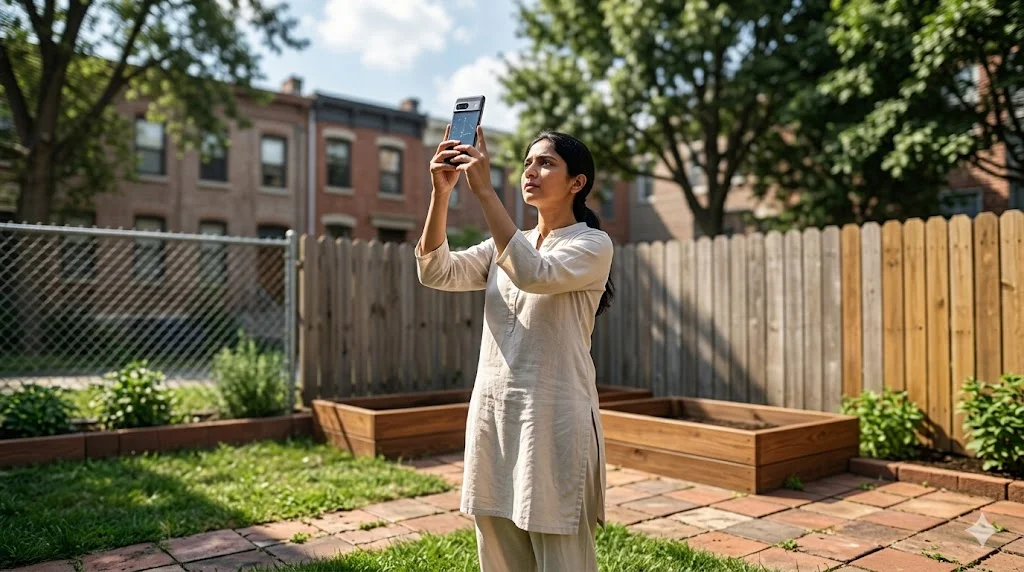
Ask yourself: Where does the sun actually hit? Most vegetables need 6 to 8 hours of direct sunlight. Not dappled, not partial — real, direct sun. I thought my south-facing yard was perfect until I paid attention and realized a neighbor’s tall fence blocked the afternoon light from about half the space.
Use the free app Sun Seeker (available on both iOS and Android) to track sunlight paths if you’re not sure. You point your phone at the sky and it shows you exactly where the sun will be throughout the day. It’s a game-changer.
Mark out which areas of your yard get the most sun. That’s where your vegetables are going.
Choose the Right Growing Method for a Small Space
This is where most beginners go wrong. They picture garden beds dug into the ground, but that’s not always the smartest option for a small backyard — especially if the soil quality is bad, which it often is in urban and suburban yards.
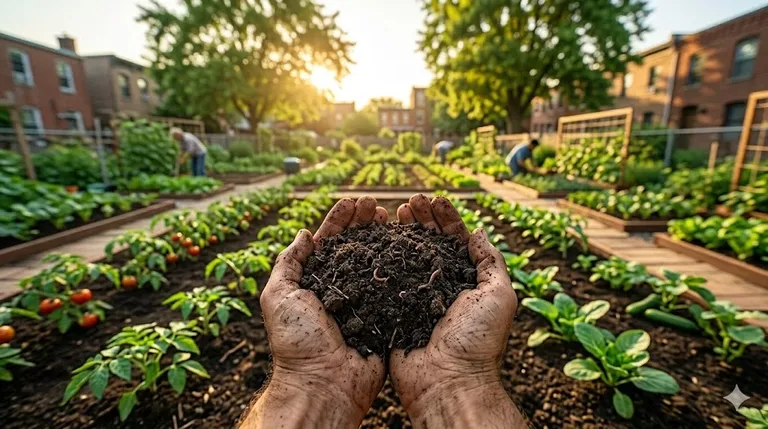
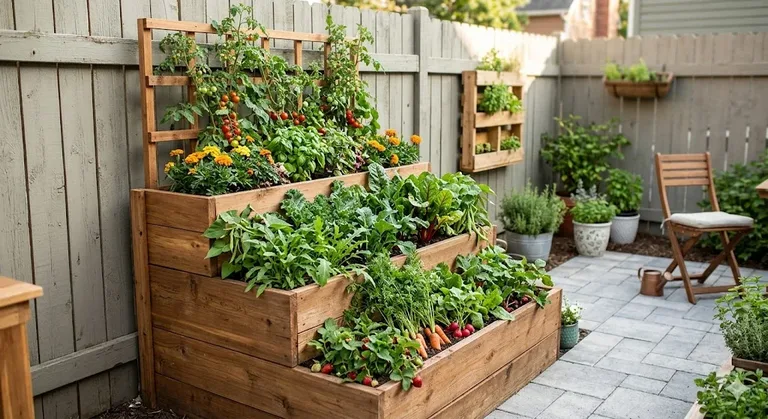
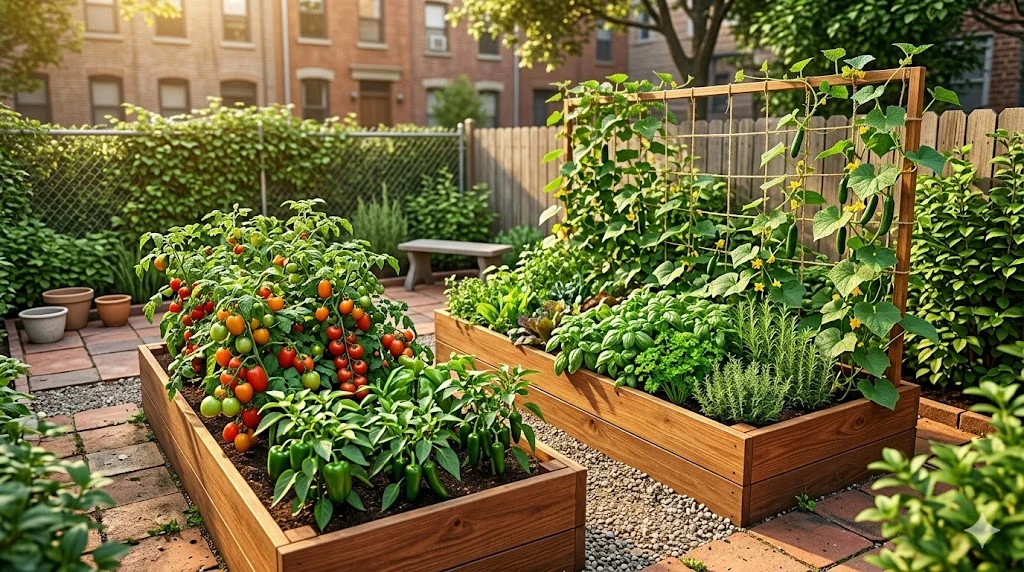
Raised beds are the single best decision I made for my small backyard. A 4×8 foot raised bed gives you 32 square feet of growing space, and you can fill it with quality soil from day one instead of fighting compacted clay or nutrient-poor dirt. I built two of them from untreated pine planks (roughly 8 inches deep) and filled them with a mix of topsoil, compost, and perlite.
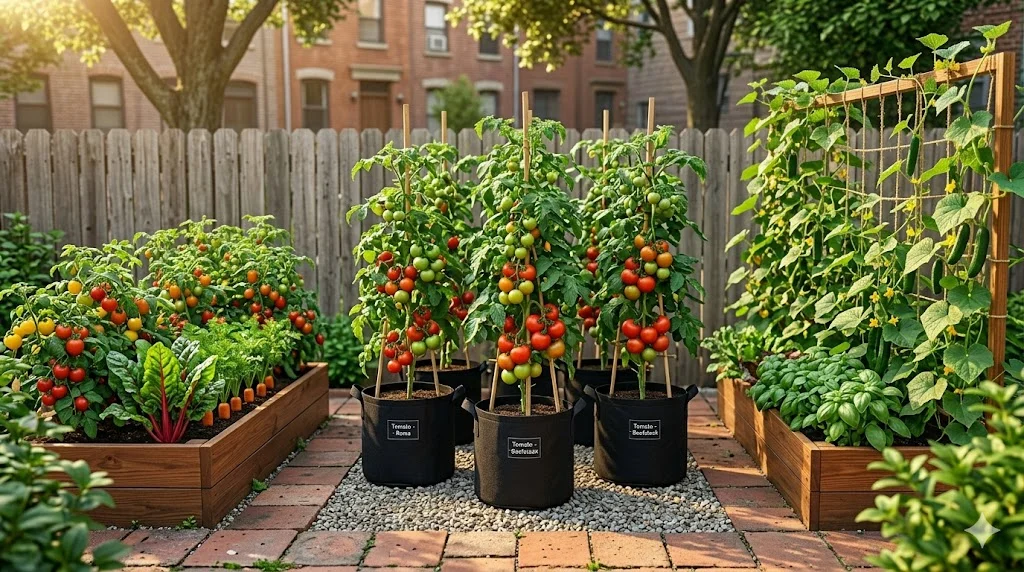
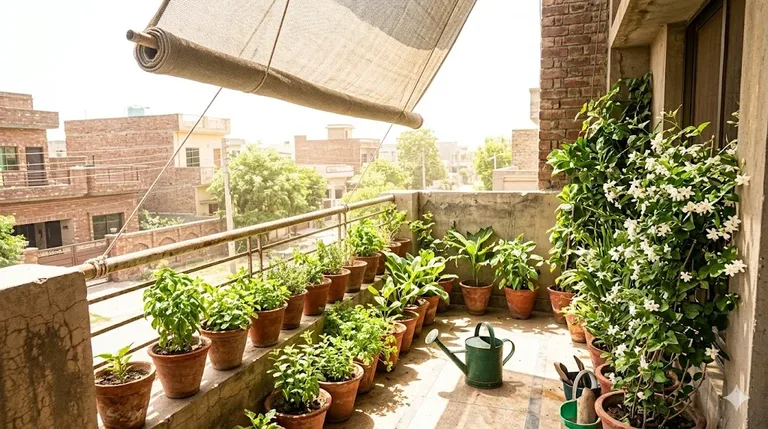
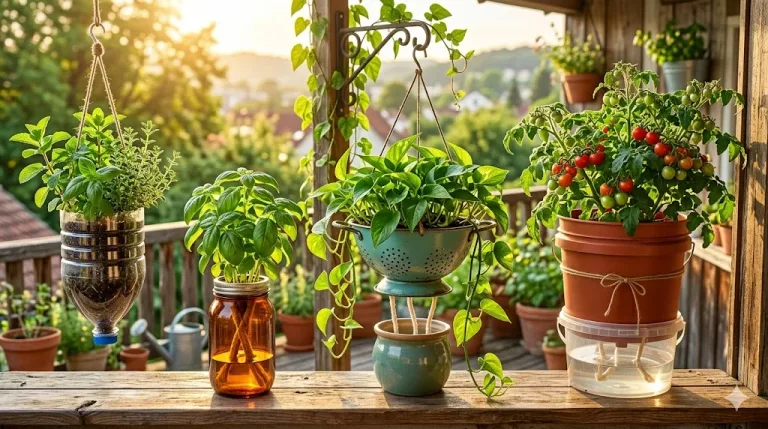
Containers are your best friend for tight spots. A 5-gallon bucket can grow a perfectly productive tomato plant. Large fabric grow bags — 10 or 15 gallon — are even better because they air-prune the roots and don’t overheat the soil the way plastic does. I have six of these lined up along a fence that would otherwise be dead space.
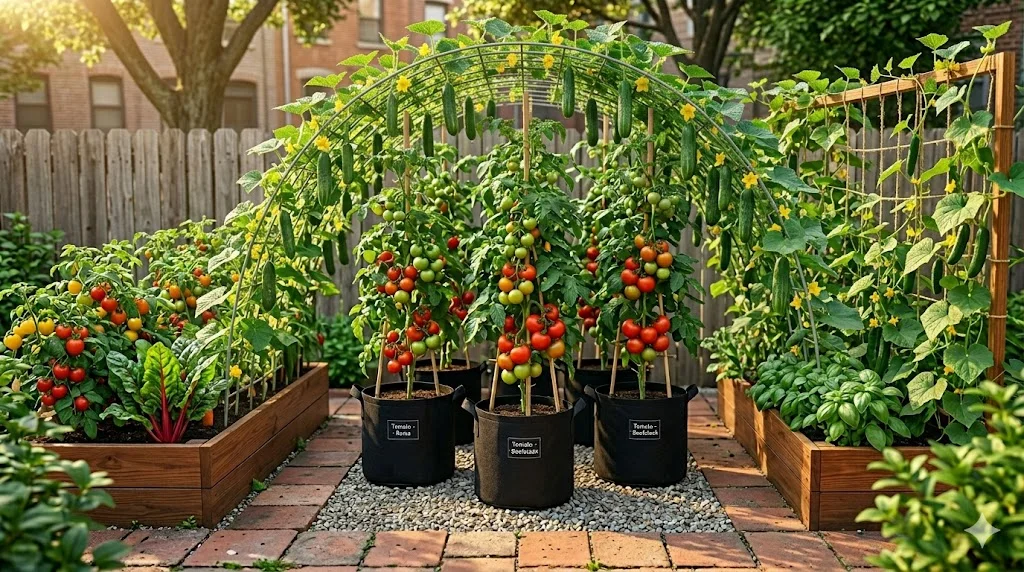
Vertical growing is where small-space gardening gets fun. Trellises, A-frames, cattle panels bent into arches — all of these let you grow cucumbers, pole beans, and even small melons upward instead of outward. I put up a simple cattle panel arch between my two raised beds and grow cucumbers over it every summer. It looks beautiful and doubles my productive space.
Pick the Right Vegetables
Not everything is worth growing in a small space. Some plants need too much room for too little reward.
High-value vegetables for small spaces:
Tomatoes are always worth it. Even one or two plants can give you dozens of fruits throughout summer. Go for indeterminate varieties like Sungold cherry tomatoes or Black Krim if you’re growing vertically — they keep producing until frost. If space is really tight, choose a compact determinate variety like Patio or Bush Early Girl.
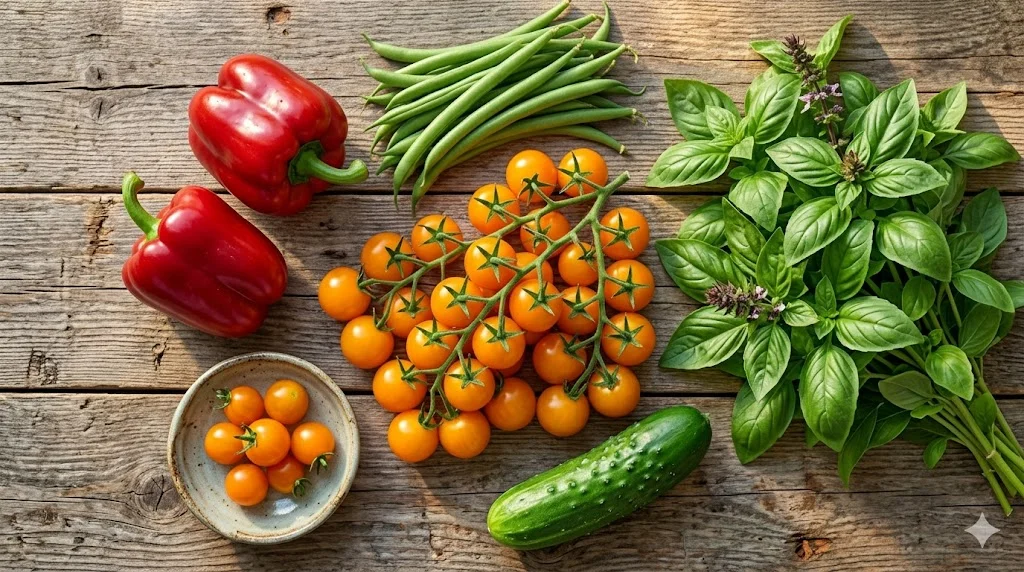
Peppers produce abundantly without taking much room. One bell pepper or jalapeño plant per 12-inch container works well.
Herbs are a no-brainer. Basil, parsley, cilantro, and chives in small pots on a patio or windowsill don’t even take up real garden space, and fresh herbs make every meal better.
Cucumbers, green beans, and peas grow vertically and are incredibly productive relative to the ground space they use.
What to skip when space is tight:
Corn needs to be planted in large blocks for pollination to work — impractical in a small yard. Watermelons and pumpkins spread aggressively and will take over. Broccoli and cauliflower need a lot of space per plant and produce only once.
Soil Is Everything — Don’t Cut Corners Here
I cannot stress this enough. The biggest difference between my first garden (mediocre) and my third garden (genuinely impressive) was the soil.
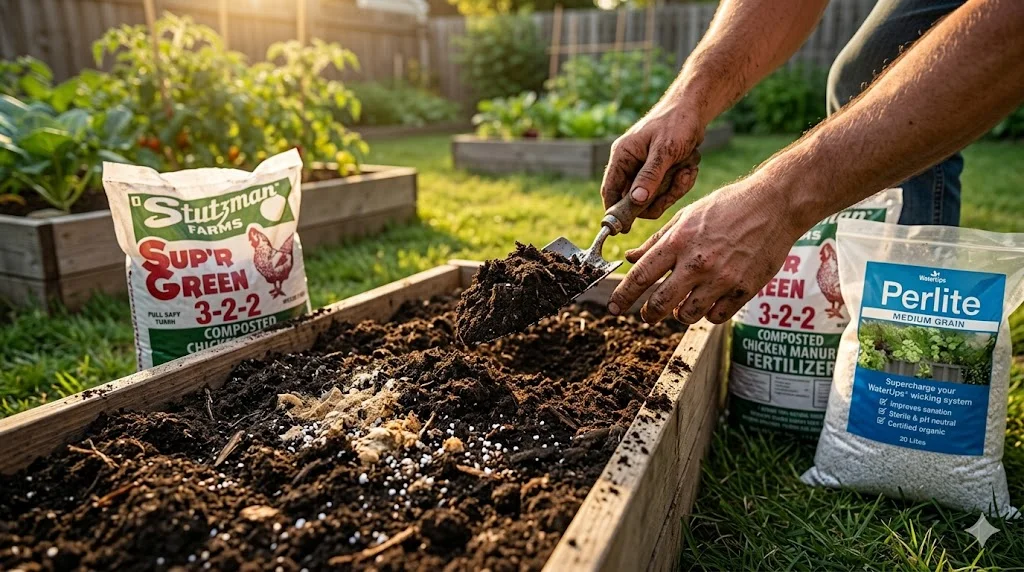
In raised beds, use a mix of roughly 60% topsoil, 30% compost, and 10% perlite or coarse sand. The compost feeds your plants. The perlite keeps the soil from compacting and improves drainage.
Every season, top-dress your beds with 2 to 3 inches of fresh compost before you plant. I buy bags of composted chicken manure from the garden center and work it into the top few inches of soil. It makes a noticeable difference in how plants grow.
For containers, never use regular garden soil — it gets too dense and compacted in pots. Use a quality potting mix designed for containers, and add a slow-release fertilizer granule like Osmocote at planting time.
Spacing and Planting: Tighter Than You Think, But Not Too Tight
Small space gardening uses what’s called intensive planting — you space plants closer together than traditional row gardening suggests, which crowds out weeds and maximizes yield per square foot.
A good guide for this is the Square Foot Gardening method developed by Mel Bartholomew. The basic idea is to divide your bed into one-foot squares and plant according to plant size: one tomato per square, four lettuce plants per square, sixteen radishes per square, and so on. It sounds almost too simple, but it genuinely works.
The mistake I made early on was ignoring the “almost too tight” part. I crammed six tomato plants into a single 4×8 bed thinking more plants meant more tomatoes. Instead, I got a jungle with poor airflow, disease problems, and a fraction of the fruit I expected. Four tomato plants in that same bed the following year gave me twice the harvest with half the headache.
Watering Without Wasting Time or Water
Hand watering every day gets old fast. For small raised beds and containers, a drip irrigation system is worth setting up — even a basic one. I use a simple timer-controlled drip kit from Amazon that cost about $35 and took an afternoon to install. It runs for 20 minutes each morning and I barely think about watering anymore.
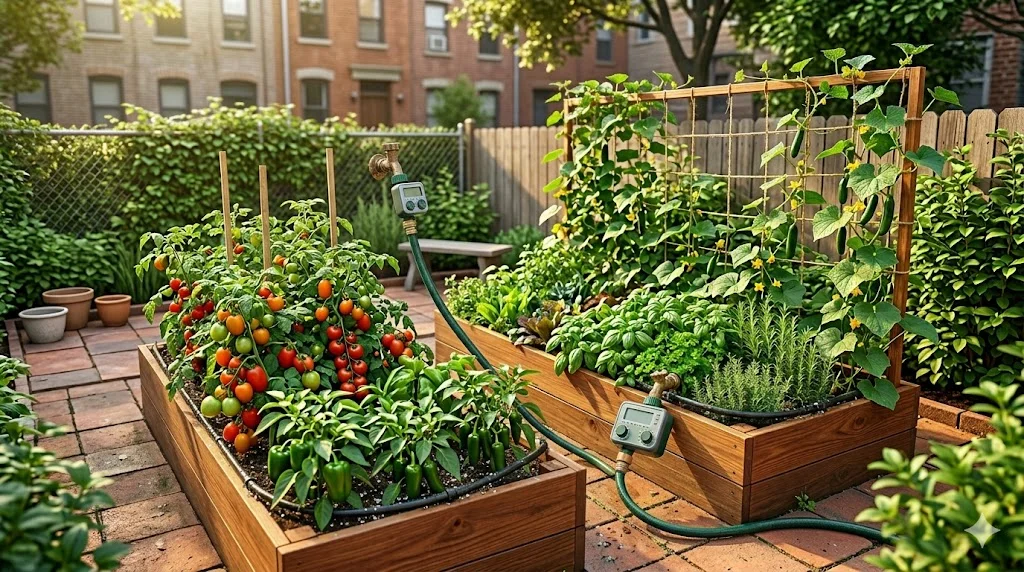
For containers specifically, self-watering planters (ones with a water reservoir at the bottom) are a huge help during hot stretches. The plant draws water up through the bottom as it needs it, which reduces both overwatering and underwatering — two of the most common causes of container plant failure.
Check soil moisture before watering by poking your finger two inches into the soil. If it’s still moist, skip the watering. Most vegetable plants die from overwatering in containers far more often than from drought.
Common Mistakes I Made (So You Don’t Have To)
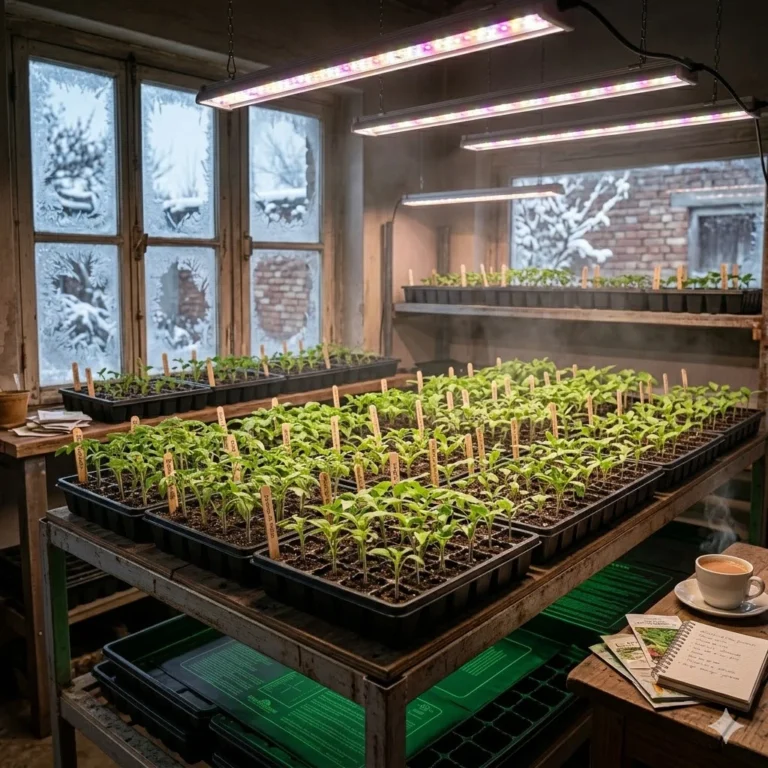
Skipping hardening off. When I started seedlings indoors and then moved them straight outside, half of them went into shock and barely survived. You have to spend a week gradually introducing indoor-grown seedlings to outdoor conditions — start with one hour outside in a sheltered spot, then two, then four, working up over seven to ten days.
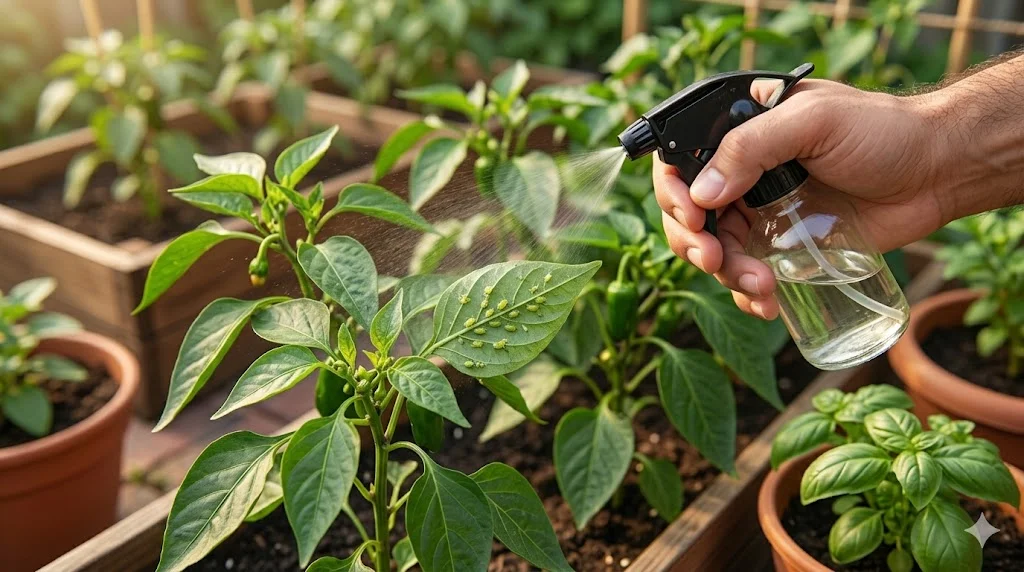
Not dealing with pests early. I noticed a few aphids on my pepper plants and told myself it wasn’t that bad. Two weeks later I had a full infestation that set the plants back by a month. At the first sign of pests, I now spray with a diluted neem oil solution (about a teaspoon of neem oil, a drop of dish soap, and a quart of water in a spray bottle) and reapply every five days until they’re gone.
Planting everything at once. If you plant all your lettuce on the same day, it’ll all be ready at the same time and then bolt together in the summer heat. Succession plant by sowing a few seeds every two to three weeks so you have a continuous harvest rather than a glut followed by nothing.
Forgetting to feed container plants. Nutrients wash out of containers every time you water. I use a liquid tomato fertilizer (any balanced one with slightly higher potassium works) every two weeks during the growing season for anything in containers.
Making It Actually Enjoyable
One thing nobody warns you about: gardening in a small space can feel a little stressful if you’re too precious about it. I had to get over the idea that everything needed to look perfect and produce perfectly.
Some years the aphids win a battle. Some years a tomato plant gets blight and you have to pull it mid-season. That’s just how it goes.
What keeps me coming back is how satisfying it is to cook dinner with things I grew three feet from my back door. There’s a specific pride in putting a salad on the table made entirely from your own backyard — even if that backyard is barely big enough to do cartwheels in.
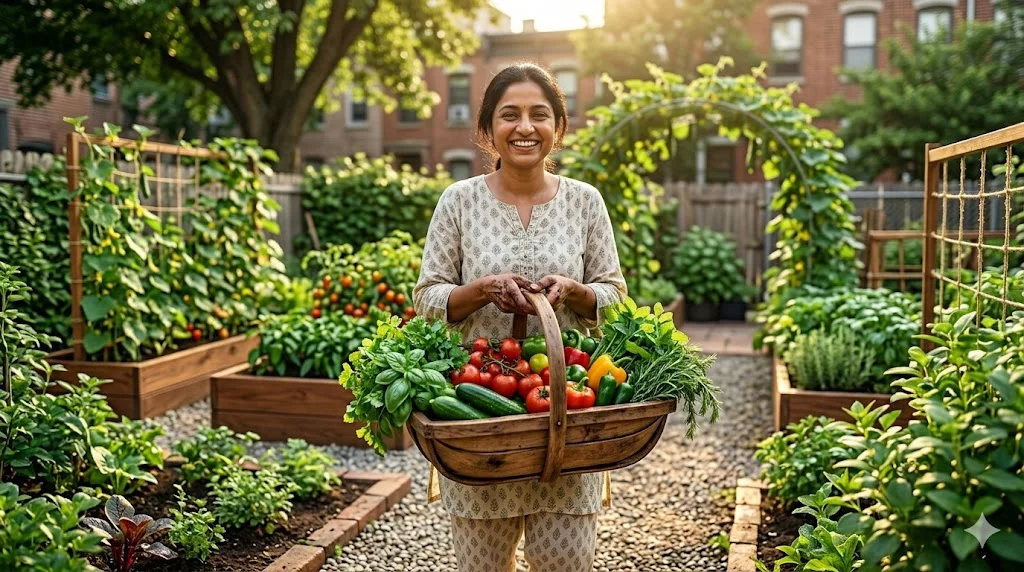
Start small, keep it simple, and build up from there. Even two raised beds and a few containers can produce more food than you’d expect.
The hardest part is just starting. Everything else you figure out as you go.