How to Remove Grease Naturally with Dish Soap

I still remember the Sunday afternoon I decided to deep-clean my kitchen after a weekend of cooking big family meals. There was a thick, sticky layer of grease on my stovetop, splattered across the backsplash, and somehow even on the cabinet handles. I grabbed the first thing I could find — a bottle of dish soap — and honestly had no idea if it would work or if I was just going to make a bigger mess.
It worked. Better than I expected, actually.
Since then, I have done a lot of trial and error with dish soap as a natural degreaser, and I want to share everything I have figured out — including the mistakes I made that left me with streaky surfaces and wasted time.
Why Dish Soap Works So Well on Grease
Before we get into the how, it helps to understand the why — not in a science-class way, just practically.
Dish soap is specifically designed to break down grease. It contains surfactants, which are compounds that attach to oil molecules on one end and water molecules on the other. So when you apply it to a greasy surface, it essentially “lifts” the grease off and allows water to rinse it away. That’s it. That’s the magic.
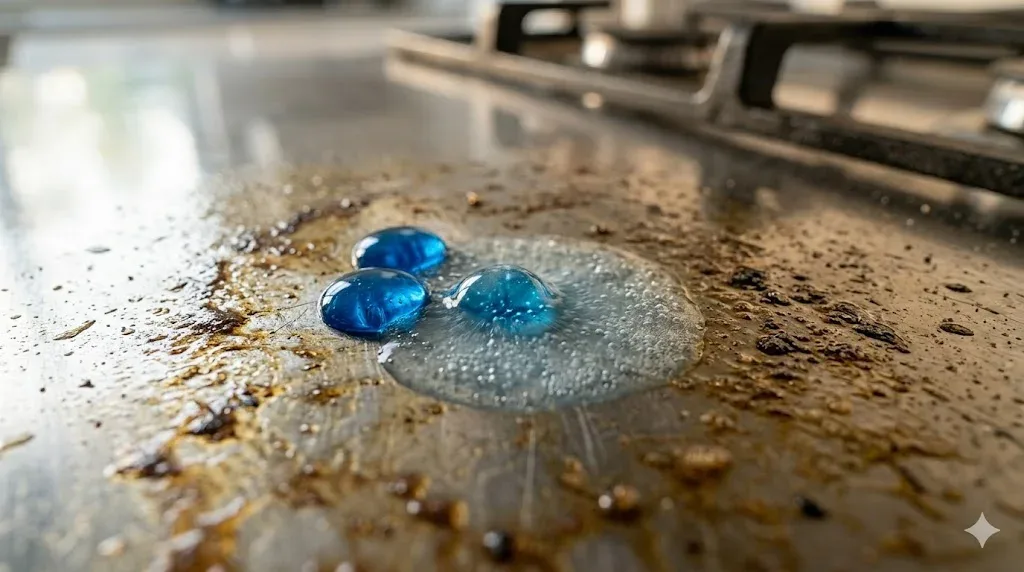
This is why dish soap is one of the most effective natural options out there. You don’t need heavy chemical degreasers with harsh fumes. A basic dish soap — especially one like Dawn, Fairy, or any plant-based option like Seventh Generation — does a solid job without ruining surfaces or leaving toxic residue.
What You Will Need
You don’t need much. That’s another reason I love this method.
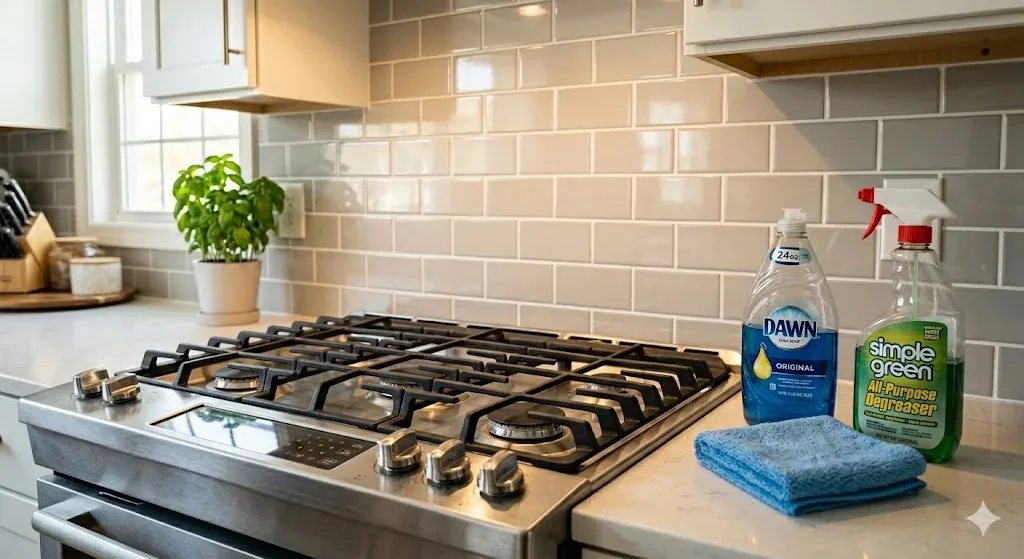
A bottle of liquid dish soap, warm water, a non-scratch sponge or microfiber cloth, an old toothbrush (for tight corners), and a spray bottle if you want to make a proper cleaning solution. That’s it.
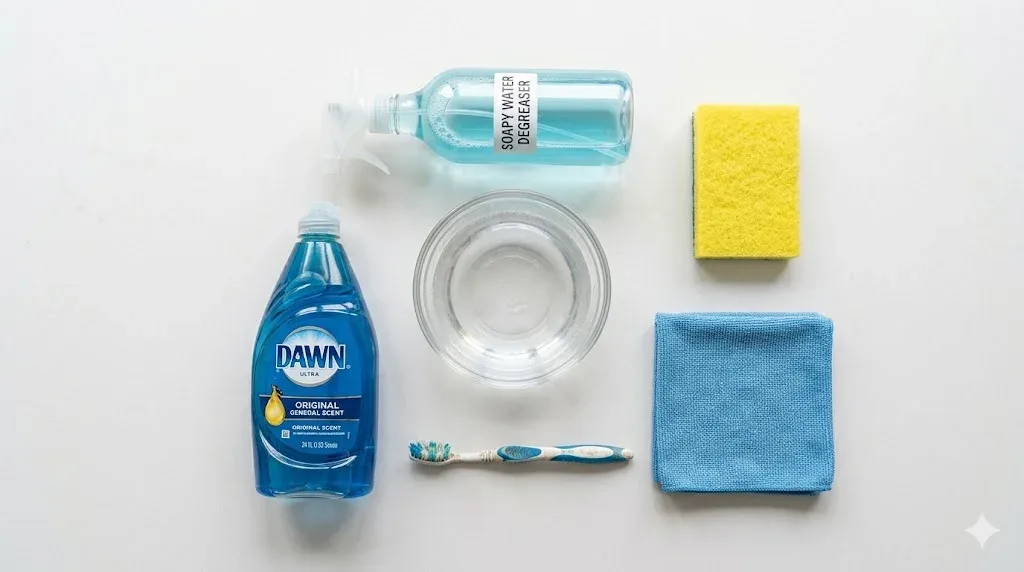
If you want to boost the degreasing power naturally, you can also add white vinegar or baking soda to the mix, but I’ll get to that in a bit.
Step-by-Step: How to Remove Grease with Dish Soap
Step 1 — Start with Warm Water
Cold water doesn’t cut grease nearly as well. Always use warm or hot water when mixing your solution. Heat helps loosen the grease before the soap even has a chance to work. This was one of the first things I learned the hard way — I used lukewarm water the first few times and kept wondering why I had to scrub so hard.
Step 2 — Apply Dish Soap Directly or Make a Spray
For heavy grease buildup on stovetops or pans, apply the dish soap directly without diluting it. Put a few drops right onto the surface or the sponge and let it sit for two to three minutes. That short wait time is key — it gives the surfactants time to start working.
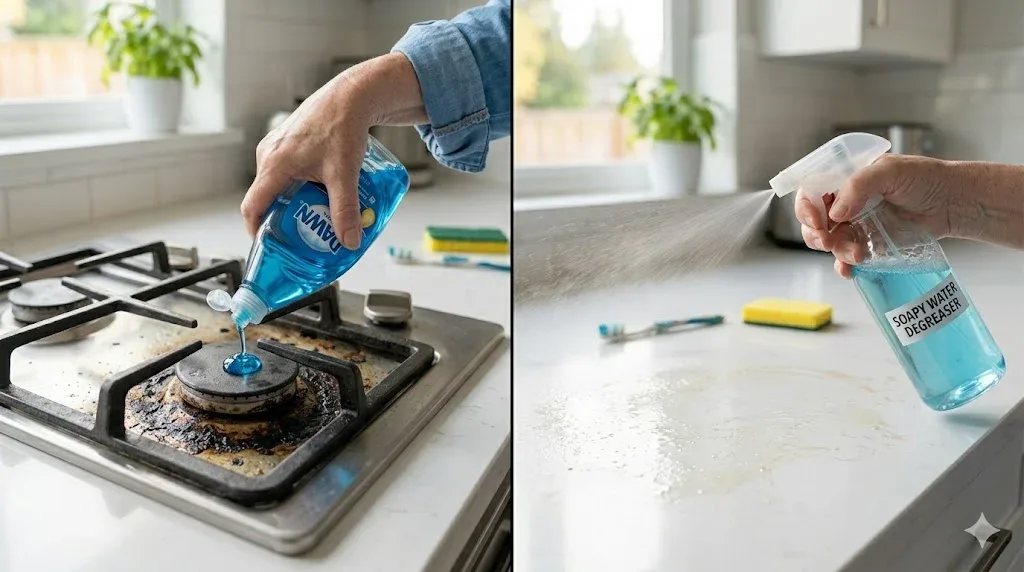
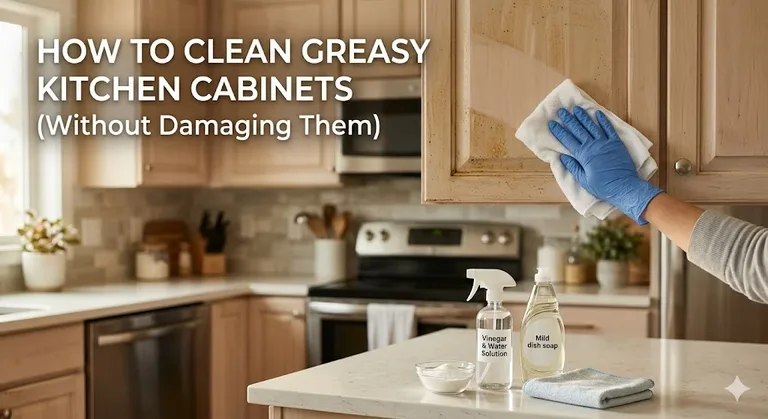
For lighter grease on countertops, walls, or cabinet surfaces, mix a few drops of dish soap with warm water in a spray bottle. Shake it gently and spray it on. You don’t need a lot — dish soap is concentrated.
Step 3 — Let It Sit (Don’t Skip This)
This is probably the most common mistake people make: they apply the soap and immediately start scrubbing. Give it at least two to five minutes, especially for stubborn grease. For really thick buildup — like on a greasy oven door or grimy range hood — let it sit for up to ten minutes.
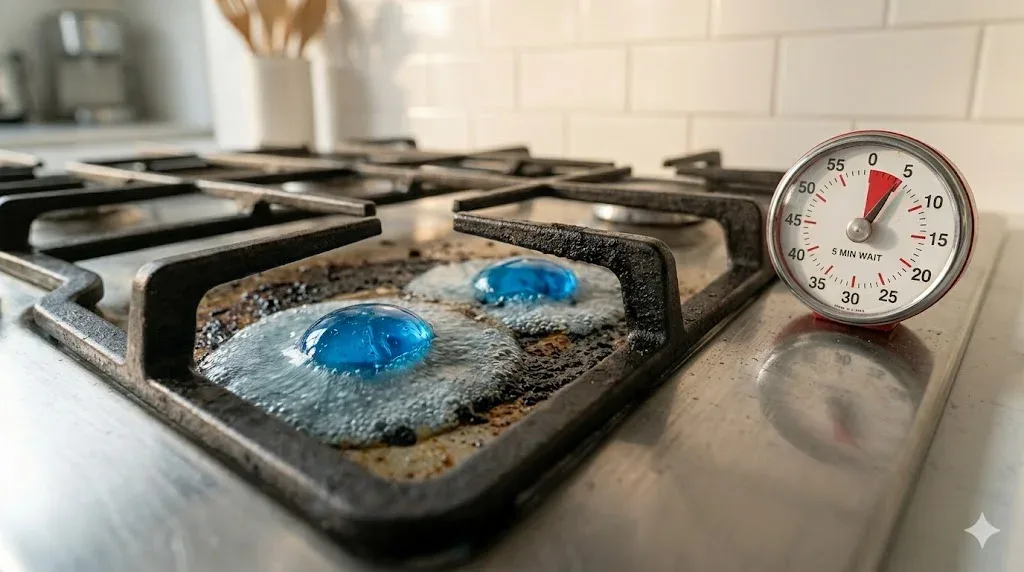
I once tried to rush this step and spent twenty minutes scrubbing something that would have wiped away in five if I had just been patient.
Step 4 — Scrub with the Right Tool
Use a non-scratch sponge for most surfaces. For tiles, stovetops, or stainless steel, a microfiber cloth works beautifully — it picks up the grease rather than just moving it around.
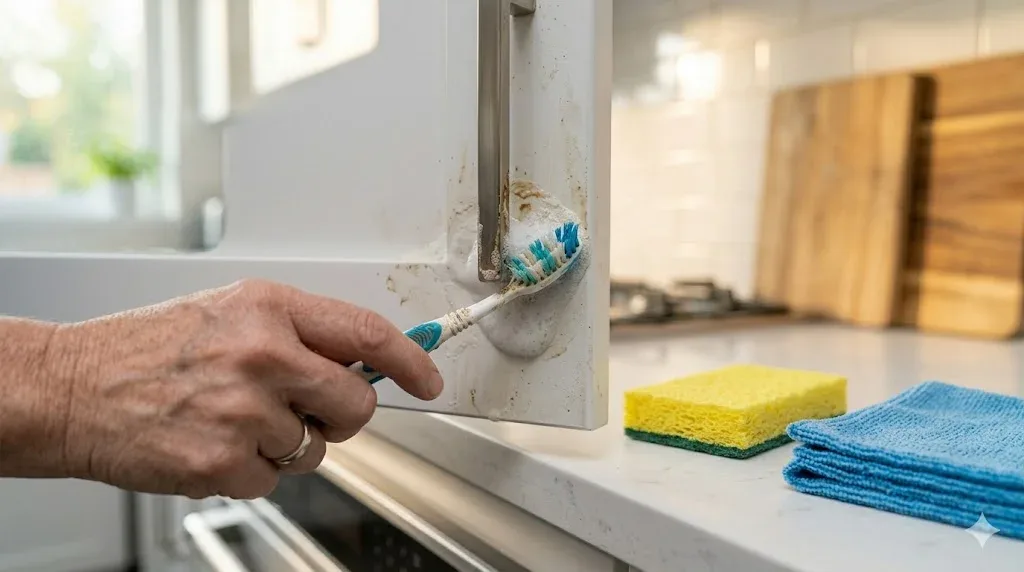
For corners, grout lines, or the areas around knobs and handles, an old toothbrush is genuinely your best friend. Get in there and scrub in small circular motions.
Step 5 — Rinse Thoroughly
This step matters more than most people realize. Rinse the surface completely with clean warm water. If you leave soap residue behind, it actually attracts more dust and grime over time and can make surfaces look dull or streaky.
For walls or cabinets, wipe down with a clean damp cloth after cleaning. Repeat the wipe-down once or twice to make sure no soap film is left behind.
Step 6 — Dry the Surface
Always dry with a clean, dry cloth after rinsing — especially on wood cabinets, stainless steel appliances, or tile grout. Leaving moisture behind can cause water stains or, in the case of wood, some damage over time.
Boosting the Power Naturally
Dish soap alone handles most grease situations well, but sometimes you run into something extra stubborn — like burnt-on grease around a burner or old buildup on the inside of an oven door.
Here’s what I do in those cases:
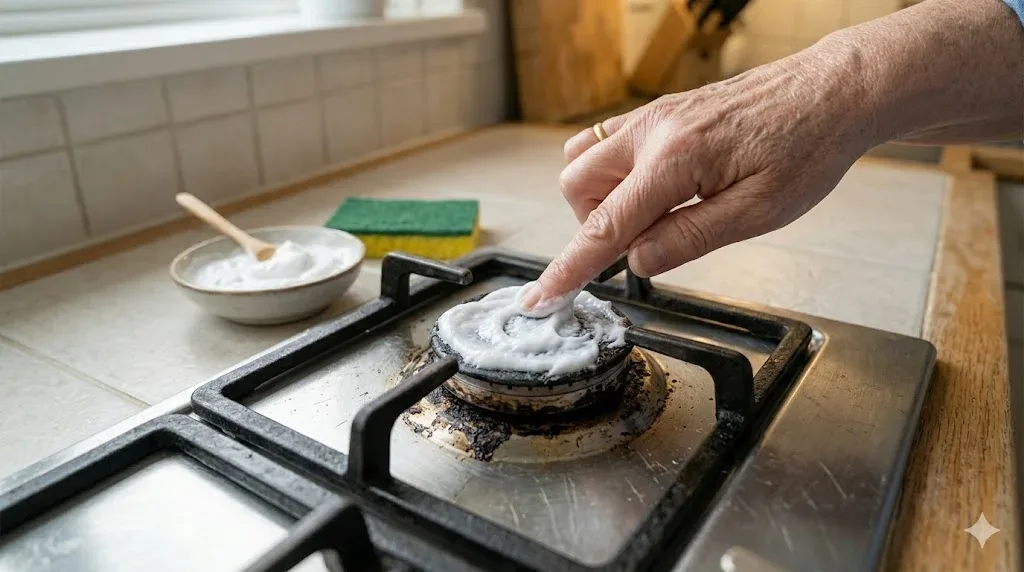
Baking soda paste: Mix baking soda with just enough dish soap to form a thick paste. Apply it to the greasy area, let it sit for ten to fifteen minutes, then scrub and rinse. The mild abrasive quality of baking soda helps lift stubborn residue without scratching most surfaces.
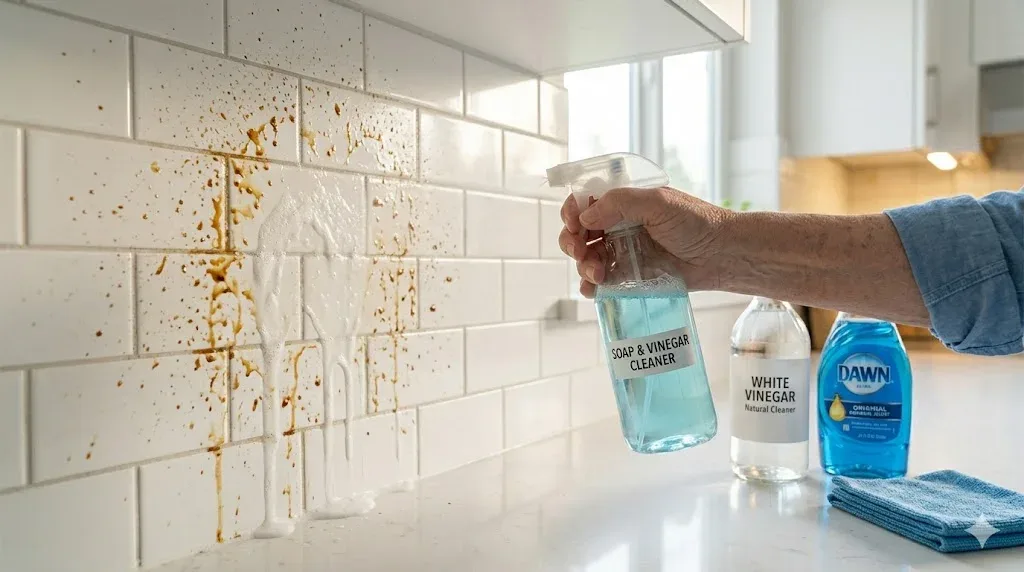
Dish soap plus white vinegar spray: Mix equal parts white vinegar and water in a spray bottle, then add a few drops of dish soap. Spray it on the greasy surface, wait a few minutes, then wipe down. The vinegar helps dissolve mineral deposits and lighter grease, while the dish soap handles the oily residue.
One important note: don’t mix baking soda and vinegar at the same time in the same solution. They cancel each other out chemically and lose their cleaning effectiveness. Use one or the other, not both together.
Where This Method Works Best
Dish soap as a degreaser works really well in a lot of places around the house:
Kitchen stovetops — both gas and electric. Apply directly for heavy buildup, spray for light splatter.
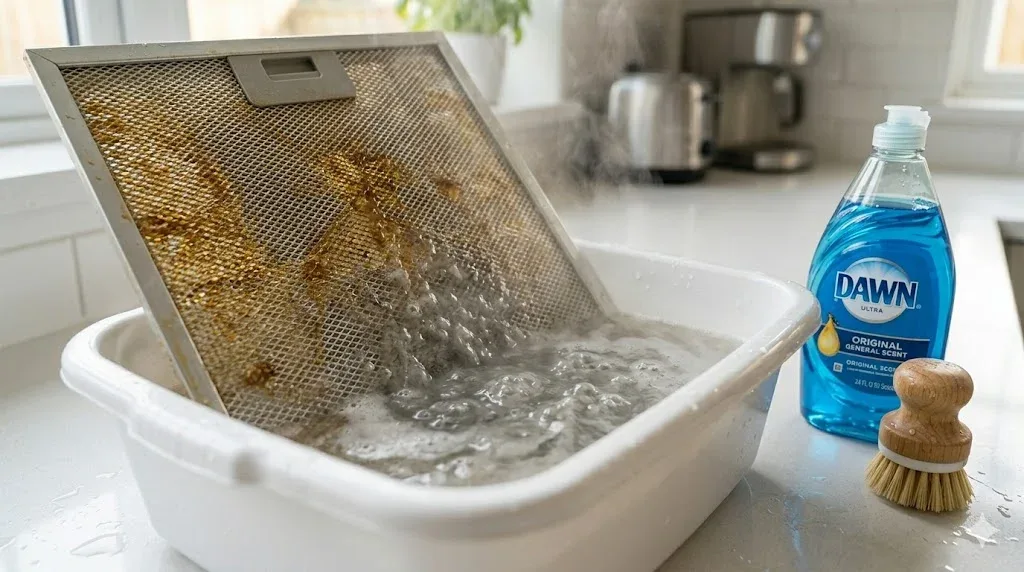
Range hoods and filters — soak a greasy range hood filter in hot water with a generous amount of dish soap for fifteen to twenty minutes, then scrub. The grease practically falls off.
Cabinet surfaces — especially around the handles where cooking grease tends to collect over time.
Backsplash tiles — the spray bottle method works great here, followed by a microfiber wipe-down.
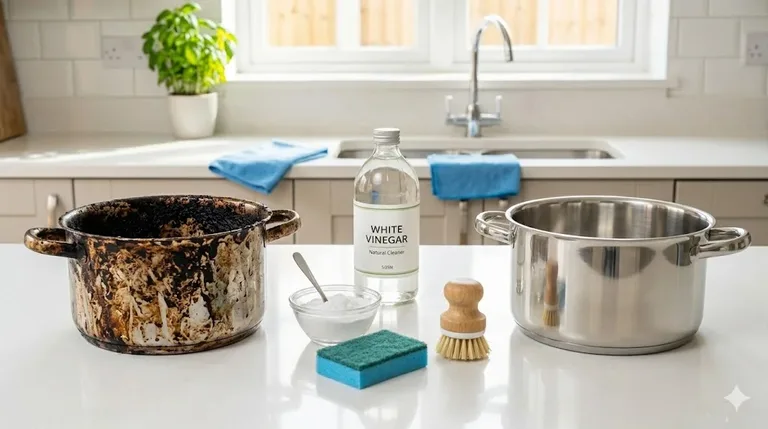
Greasy pots, pans, and baking trays — this is where dish soap really shines. For baked-on grease, let the item soak in hot soapy water for thirty minutes before scrubbing.
Car engines and garage floors — yes, really. Dawn dish soap is famously used by mechanics for degreasing engines because it cuts through oil and grease without causing damage. For garage floors, pour it on the stain, scrub with a stiff brush, and rinse with a hose.
Common Mistakes to Avoid
Using too much soap is one I see constantly. More soap does not mean better cleaning. A few drops go a long way, and using too much just means more rinsing and a higher chance of leaving a residue.
Scrubbing immediately without letting the soap sit is another one I already mentioned, but it’s worth repeating because it genuinely makes a huge difference.
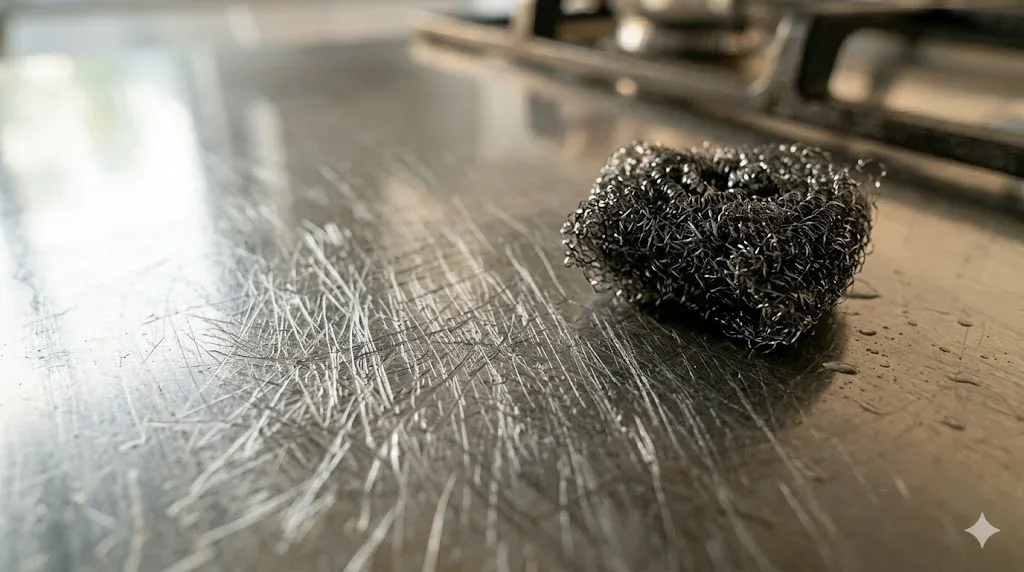
Using the wrong scrubber is also a frequent issue. Steel wool or rough scrubbers can scratch stovetops, stainless steel, and tile surfaces. Stick with non-scratch sponges or microfiber cloths for most surfaces.
Not rinsing enough is the mistake that causes streaky surfaces. Always do a second wipe-down with a clean damp cloth to make sure you have removed all the soap.
And finally, waiting too long to clean grease makes everything harder. Fresh grease is always easier to remove than grease that has been sitting and hardening for days or weeks. Try to wipe down your stovetop and backsplash after every cooking session — it takes less than two minutes and saves a lot of deep-cleaning effort.
A Few Personal Observations
I switched to a plant-based dish soap a while back and honestly found it worked just as well for everyday grease. Brands like Ecover and Seventh Generation are gentler on surfaces and on your hands if you are cleaning without gloves.
I also started keeping a small spray bottle of diluted dish soap under my kitchen sink at all times. It takes thirty seconds to make and has saved me from a lot of unnecessary scrubbing. When grease splatter happens, I just grab it and wipe.
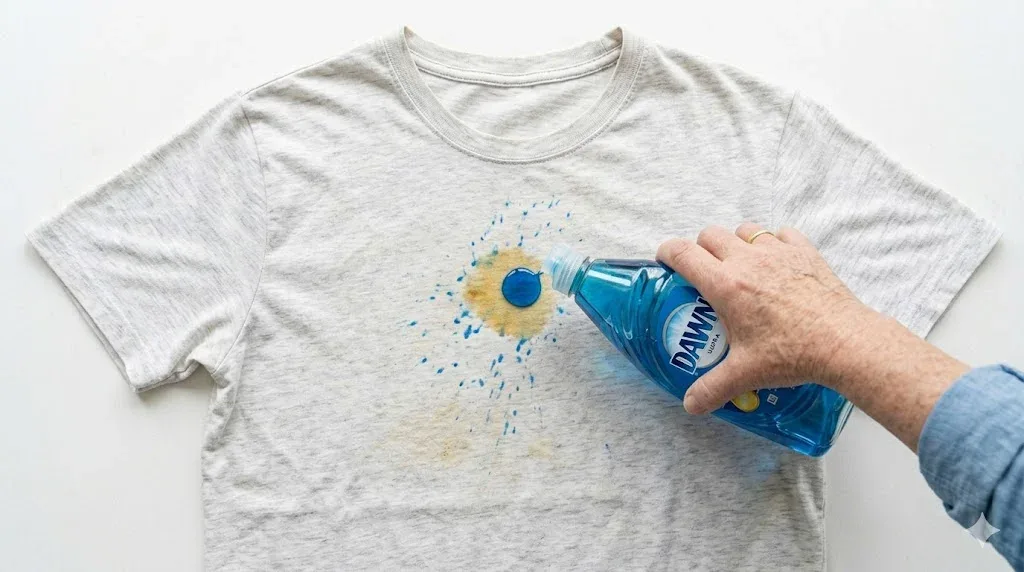
One unexpected discovery: dish soap works surprisingly well on greasy clothing stains too. A drop applied directly to a grease stain on fabric before washing, left for five minutes, does a much better job than tossing it straight into the washing machine.
Final Thoughts
Dish soap is honestly one of the most underrated cleaning tools in the house. It’s inexpensive, effective, and gentle enough to use on most surfaces without worrying about damaging anything. And when you combine it with warm water, a little patience, and the right scrubber, it handles the kind of grease that would otherwise have you reaching for heavy chemical cleaners.
The biggest thing I want you to take away from this is the let it sit step. Give the soap time to work before you start scrubbing, and you will be amazed at how much easier the whole process becomes.
Next time you see grease buildup anywhere in your kitchen, don’t stress. Grab your dish soap, warm water, and a good sponge — and you have everything you need.